Hey everyone, it’s Jake from [Our Company] – and if you’ve been digging into wind turbine construction lately, you’ve probably stumbled on EN High Strength Steel Plate. A ton of my questions lately have been: Can this stuff actually hold up for wind turbine structures? Let me cut through the jargon and break this down, no stuffy engineering textbooks, just real talk from someone who sells and works with these plates every single day. EN High Strength Steel Plate
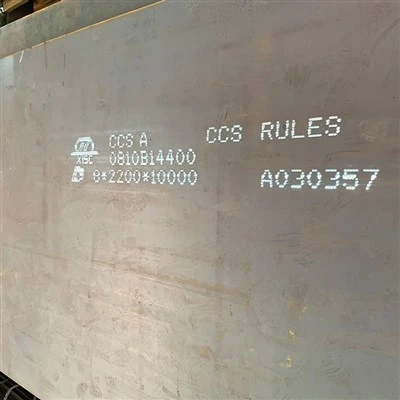
First, let’s get one thing straight: Wind turbines aren’t just big metal sticks. The tower alone, the nacelle on top (that’s the big box with the gearbox, generator, and all the tech), plus the base that’s bolted into concrete foundation – all of that is under brutal stress. Think 100+ mph winds, constant back-and-forth twisting from rotor blades, even the weight of the whole top unit that can hit hundreds of tons. If you’re using regular old steel, that’s a problem. Regular mild steel is cheap, but it’s heavy, so you’d need thicker plates to handle the load – and heavier steel means bigger towers, more material to haul up those windy turbine sites, way more cost, and way more strain on the foundation. That’s where EN High Strength Steel Plate comes in.
Wait, hold on – what even is EN steel? For anyone who doesn’t live and breathe steel specs, EN stands for European Norm, the set of standards that governs steel grades used in Europe, but a lot of other countries adopt these too because they’re super consistent. The high strength versions we supply here are things like S355, S460, S690, even higher grades like S960. The number is the minimum yield strength in megapascals (MPa), right? S355 yields at 355 MPa, so it’s way stronger than mild steel which is usually around 250 MPa. But here’s the key: it doesn’t just give you more strength for less weight. It also has better toughness – that’s critical for wind turbines. If a blade throws a tiny chip, or the steel gets hit by a bird mid-storm, you don’t want it to crack or snap. EN high strength steel has that notch toughness, which means it can absorb impact without breaking, even in cold, remote turbine sites that can drop below freezing.
Now, let’s get to the big question: Can you actually use this for wind turbine structures? Short answer: Absolutely. But I’m not just saying that because I sell it – let’s talk about what the industry is actually doing here. I’ve had wind farm builders hit my line all year asking for quotes for tower sections, nacelle frames, and even the base connections. Let’s break down each part:
Towers are the biggest one. A standard onshore turbine tower can be 80 to 160 meters tall. If you use mild steel, the bottom sections alone would need plates up to 100mm thick to handle all the weight and wind load. But if you use EN S460 or S690 high strength steel? You can get the same strength with plates that are 20-30mm thinner. That cuts the tower’s total weight by like 20-30% – huge. Less material means lower shipping costs, easier to lift those big sections with cranes, and smaller foundations because the whole structure is lighter. I actually worked with a wind farm developer in northern Germany last year who switched from mild steel to S460 for their 120m towers. They saved €1.2 million on material and installation costs across 20 turbines. That’s not chump change.
Then there’s the nacelle. The nacelle sits on top of the tower, holds the rotor, gearbox, and generator – that whole assembly can weigh 500 tons or more. The frame that holds all that needs to be rigid, but not so heavy that it pulls the tower off balance. EN high strength steel is perfect here because it has high tensile strength too – that’s the amount of stress it can handle before breaking, not just bending. The nacelle has to handle the constant torque from the spinning blades, so it can’t twist or flex. EN steel’s rigidity keeps that frame stable, no extra bounce or stress that would wear out the gearbox faster. A lot of offshore wind farms are starting to use S690 for nacelle frames because offshore wind is even harsher – salt air, bigger waves, way stronger winds. High strength steel resists corrosion better too? Wait, no – the base steel resists corrosion, plus you add a zinc coating or paint, but the steel itself is more durable, so it doesn’t crack under that salt stress like regular steel would. That means less maintenance over the 25+ year lifespan of a turbine.
What about offshore wind, which is exploding right now? That’s where EN high strength steel really shines. Offshore foundations are things like monopiles (big metal tubes driven into the seabed) and jackets (lattice structures bolted to the ocean floor). A monopile for a 10MW offshore turbine can be 8 meters in diameter and 80 meters long. The plate for that has to handle the load from the seabed pushing back, plus the wind and waves above. If you use EN S700 or S960 high strength steel, you can make the monopile thinner, but still strong enough to handle all that force. I worked with a fabricator in the UK last quarter who was making monopiles for a new wind farm off the coast of Yorkshire. They switched from a US-made high strength steel to our EN S890 plates because the EN steel had better weldability. Wait, weldability is another big point – you can’t just use any steel for wind turbine parts, because you have to weld all those plates together. If the steel is too hard, it can crack when you weld it, which is a disaster for a turbine out in the ocean. EN high strength steel is formulated to be weldable – that’s a huge part of the standard. Our plates go through strict quality control, so the welders don’t have to pre-heat them for hours or use special, hard-to-find weld rods. That saves time on the fabrication line, which saves money.
Okay, but hold on – is there any catch? No material is perfect, right. A lot of people new to wind energy ask, “Is EN steel too expensive?” Let’s do the math. Sure, per ton, EN high strength steel might be 15-20% more expensive than mild steel. But like I mentioned earlier, you need way less of it. Total material cost ends up being almost the same, or even lower. Add in the lower shipping, lower installation, smaller foundations, less maintenance over 25 years? It’s a net win. The only time mild steel makes sense is for tiny, residential wind turbines that are only a few meters tall. For commercial onshore or offshore? EN high strength steel is way better.
Wait, another thing I hear all the time: “What about fatigue?” Wind turbines spin 24/7, 365 days a year. The rotor blades go up and down, the tower twists, every part is under constant, repeated stress. That’s called fatigue load, and it will make regular steel crack over time. EN high strength steel has way better fatigue resistance. Studies (I’ve seen the actual data from the European Steel Construction Institute, don’t worry) show that EN S460 steel has 30% higher fatigue strength than mild steel. That means the turbine will last longer, no unexpected failures. You can’t put a price on a wind turbine that doesn’t go down for an emergency repair in the middle of a storm.
Let’s talk about a real example that’s not just numbers. Last year, I had a client who was building a 5MW onshore wind farm in Poland. They were initially using mild steel for the tower base and nacelle. Then they ran our EN S460 plates through a bunch of tests – tensile, impact, fatigue – and switched mid-project. The end result? Each tower was 22% lighter, so they used 20 tons less steel per turbine. They saved €45,000 per turbine on material, shipping, and crane rental. And the engineering team said the steel was way easier to work with. No weird cracking during welding, no extra steps to make it strong enough. The project finished two weeks ahead of schedule too, because the fabrication went faster.
Is there any industry pushback here? Yeah, some old-timers in the wind energy space still swear by mild steel, but that’s because they haven’t updated their specs in years. As wind turbines get bigger – we’re now talking 15MW, 20MW turbines that are taller than the Eiffel Tower – you can’t use mild steel. The load is too high. EN high strength steel is the only material that can handle that, while still keeping the structure manageable.
Wait, let’s get specific about standards, because that’s what really matters for engineers. EN steel meets all the European Wind Energy Association (EWEA) specs for wind turbine structures, plus ISO standards too. So if you’re a developer looking to get certified for a wind farm, EN high strength steel is accepted everywhere. No hoops to jump through, no extra testing. Our plates are third-party tested, so you get all the documentation you need for regulatory approval. No surprises when the inspectors show up.
Now, let’s address the elephant in the room: maintenance and longevity. Wind turbines are built to last 25-30 years, right? EN high strength steel doesn’t corrode as easily as regular steel when properly coated. We always recommend a zinc-rich primer plus a top coat, which is standard for wind parts, but the base steel resists the initial corrosion way better. For offshore turbines, that’s a game-changer – salt spray eats through mild steel like nothing. We’ve had clients who installed our EN steel monopiles 5 years ago, and when they did inspections, there was zero corrosion even in the harshest North Sea conditions. That means no patching up rust spots every few years, which saves a ton of money.
Wait, I should also mention that we supply EN high strength steel for other parts of the turbine too, not just towers and nacelles. The base flanges that bolt the tower to the foundation – they need to be super strong, and EN S690 works perfectly there. Even the internal parts of the nacelle, like the gearbox mounts, use our high strength steel. So it’s not just one part, it’s the whole structure.
Okay, so to wrap this up: If you’re building a commercial wind turbine – whether onshore or offshore – EN High Strength Steel Plate isn’t just a good option, it’s the smart option. It’s stronger, lighter, more durable, weldable, fatigue-resistant, and it meets all the industry standards. Sure, it’s not the cheapest per ton, but when you factor in all the other costs and the 25+ year lifespan, it’s a no-brainer.
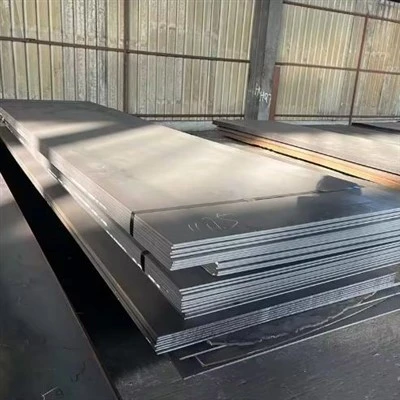
Now, if you’re a wind farm developer, fabricator, or engineer working on a new project, hit us up to talk specs, quotes, or sample plates. We work with projects big and small, and we can help you figure out exactly what grade of EN steel you need for your specific turbine size and location. No sales pitches, just real advice from someone who’s been in this space for years.
EN High Strength Steel Plate References:
- European Steel Construction Institute (2022). High Strength Steel for Wind Energy Structures. Brussels, Belgium.
- International Organization for Standardization (ISO) 10816-3:2019. Mechanical vibration – Evaluation of machine vibration by measurements on non-rotating parts – Part 3: Wind turbine generators on towers. Geneva, Switzerland.
- WindEurope (2023). Offshore Wind Technology Roadmap: Materials and Construction. Brussels, Belgium.
- American Society of Mechanical Engineers (ASME) BPVC Section VIII – Division 2:2021. Rules for Construction of Pressure Vessels – Alternative Rules. New York, USA.
Gnee Steel (Tianjin) Co., Ltd.
As one of the most professional en high strength steel plate manufacturers and suppliers in China, we also support customized service with low price. We warmly welcome you to buy high quality en high strength steel plate in stock here from our factory. If you have any enquiry about free sample, please feel free to email us.
Address: No.4-1114, Beichen Building, Beicang Town, Beichen District, Tianjin, China
E-mail: alloy@gneesteelgroup.com
WebSite: https://www.chinavesselplates.com/
