Hey there, thanks for popping in—today I’m answering a question I get all the time from farmers, hobbyists, and even folks who just picked up a chaff cutter for the first time: Can a chaff cutter be used for cutting grass? Let’s cut to the chase (pun very intended) because a lot of people are confused about this, and I’m here to set the record straight as someone who’s been supplying chaff cutters for over 10 years. Chaff Cutter
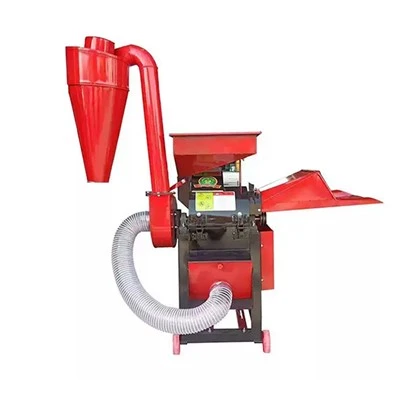
First off, let’s remember what a chaff cutter actually does. It’s a machine designed to slice dried crop residues—you know, stuff like hay, straw, corn stalks, sorghum stalks—into small, uniform pieces. The main goal here is to make feed prep easier for livestock, right? Because chopping those big, tough stalks down means animals can digest them better, and it’s way less work than cutting by hand. But grass? Wait, grass is a different beast—most of the time, people talking about grass here mean fresh, lush pasture grass or maybe fresh hay that’s super leafy, not the dried stuff. So can the same machine do both? Short answer: Yeah, but it depends on what kind of grass you’re using, what you need it for, and which chaff cutter model you grab.
Let’s break this down. If you’re using fresh grass—like, you just mowed your backyard lawn (wait, no, don’t mow your lawn and use that for livestock—lawn grass has fertilizers, chemicals, sometimes weeds that are toxic) but if it’s fresh pasture grass for your goats or sheep, a chaff cutter can handle that. But here’s the catch: fresh grass is wet and flexible, not brittle like dried crop stalks. If you run wet grass through a basic chaff cutter that’s set up for dried straw, two things happen. One, the blades might get gummed up with wet grass sap, which slows them down or makes them dull way faster. Two, the cut might be uneven—instead of clean, consistent slices, you’ll get mushy clumps that can spoil quickly if you store them. That’s a big deal because spoiled feed means wasted time and money, and no one wants that for their animals.
Now, if you’ve got a mid-range or heavy-duty chaff cutter, those are built with adjustable blade gaps and sometimes even built-in guards or scrapers to prevent that gumming. I’ve seen customers use these to chop fresh grass into 1-2 inch pieces, which is perfect for mixing with other feed or just as a standalone snack for small ruminants. What about dried grass, like hay? That’s actually exactly what a standard chaff cutter is made for. Dry hay is firm, so the blades slice through it easily, and the uniform pieces hold their shape way longer. I’ve had dairy farmers tell me switching from hand-cut hay to a chaff cutter for their grass hay cut their feed prep time by 70%—that’s a game-changer when you’ve got 50 cows to feed every morning.
Wait, but let’s talk about the stuff that doesn’t work. If you try to use a chaff cutter for long, thick grass blades—like, if you mowed a field of tall wild grass that’s 3 feet high—you’re going to run into issues. The machine’s throat is designed for a certain feed width, so if you cram too much long grass in at once, it might jam. That’s not a flaw in the machine, that’s just using it outside its intended parameters. What about super fine grass, like clippings from a lawn? Again, lawn clippings have those chemicals, so they’re not safe for livestock, plus they’re way too fine—you’d just end up with a pulp, not a usable cut. So it’s not that the machine can’t handle it, it’s that it’s not the right material for your end goal.
Let me also address a common mix-up: some people confuse chaff cutters with hay cutters, or grass cutters. A hay cutter is basically a large scythe or a mower that cuts grass down to windrows in a field— it’s for harvesting, not processing. A chaff cutter is for processing that already-cut grass (or other crops) into smaller pieces. So they work together, not as replacements. That’s a key point I make to a lot of new buyers who come to me thinking they can skip the hay mower and just use a chaff cutter to harvest grass—spoiler alert, that doesn’t work. The chaff cutter can’t handle standing, tall grass; it needs the grass to be already cut, maybe even dried a bit first.
Now, let’s get practical—what do our customers actually use their chaff cutters for when it comes to grass? We’ve got a small-scale farmer in Iowa who uses his compact chaff cutter to chop up alfalfa grass. He lets the alfalfa dry for a day after cutting it, then runs it through the machine, and it’s perfect for his 12 horses. He says the chopped alfalfa is easier for his older horses with dental issues to chew, which was a problem before he got the cutter. Then there’s a hobbyist in Ohio who raises goats and uses fresh mixed grass (from a local pasture, no lawn clippings) chopped in his chaff cutter as a supplement to grain. He uses the adjustable blade setting to make it a little shorter for the younger goats, which works great.
But I’ll be honest with you—there are times when a chaff cutter isn’t the best pick for grass. If you’re dealing with a huge amount of fresh grass and you don’t want to dry it first, a forage harvester might be better. Forage harvesters are built to handle wet, fresh grass without gumming up, and they can process it faster. But if you’ve already got grass that’s dry, or you’re okay drying it, a chaff cutter is way more affordable and easier to maintain. That’s a trade-off I always lay out for people when they’re deciding which machine to get.
Another thing to consider: maintenance. If you’re going to use your chaff cutter for grass, especially fresh grass, you need to clean the blades and the throat after every use. Wet grass sap dries hard, so if you leave it in the machine, it can cause the blades to rust or get nicked. A quick wipe down with a dry cloth after each use, and a deep clean every couple of weeks, will keep your machine running for years. I tell all our customers that this is non-negotiable, no matter if they’re cutting straw or grass.
Wait, let’s talk about safety too, because I don’t want anyone getting hurt. Chaff cutters have moving parts, so you’ve got to make sure the machine is turned off and unplugged (if it’s electric) before you’re clearing jams or cleaning. When you’re feeding grass into the throat, don’t push it with your hands—use a wooden or plastic pusher, not your fingers. That goes for any material, but especially with fresh grass, which is soft, so people might be tempted to get too close. A lot of accidents happen because people skip that step, so it’s worth repeating.
Now, why does this matter so much to our business? Because for years, we had a customer come back and tell us he tried to use his chaff cutter for wet grass and it kept jamming. He was using a basic model, not the adjustable one we recommended. We sent him over a new blade set and showed him how to adjust the gap, and now he uses it every day for his grass hay. That’s the kind of thing we do—we don’t just sell machines, we help people figure out how to use them right. A lot of other suppliers will just say “yes, it works” no matter what, but we’re honest because we want our customers to be happy and their livestock to be healthy.
Let me wrap this up with a clear summary, because I know that’s what everyone wants. Can a chaff cutter be used for cutting grass? The answer is:
- Yes, but only if you’re using the right model (mid-range or heavy-duty is better for fresh grass, basic works for dry hay).
- It works best with dried grass or fresh grass that’s been cut and has a little time to wilt, not tall, standing grass or wet, mushy lawn clippings.
- You’ve got to adjust the blades and clean the machine properly to avoid jams and keep it in good shape.
- It’s not a replacement for a hay mower, but it’s a great tool for processing grass once it’s harvested.
If you’re someone who’s on the fence about whether a chaff cutter is right for your grass needs, or if you have questions about which model would work best for your setup, don’t hesitate to reach out. We’re here to help, no sales pitch—just straight talk from people who’ve been in the game for years. We’ve got models for small hobby farms all the way up to large commercial operations, so whatever you’re working with, we’ve got you covered.
When it comes to feeding your animals, you don’t want to cut corners on quality or efficiency. A chaff cutter that’s set up right for your grass can save you hours of time, reduce feed waste, and make your livestock happier and healthier. It’s not a magic solution, but it’s one of the most useful tools you can have on a farm or homestead.
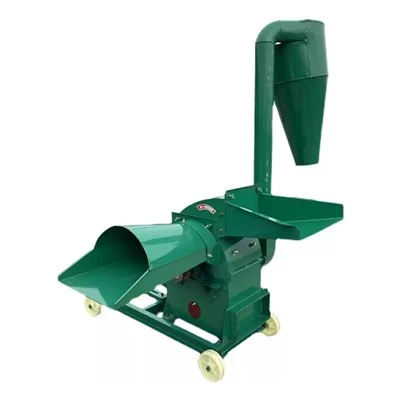
So if you’re ready to upgrade your feed prep game, or if you just want to chat through whether a chaff cutter is the right fit for your grass needs, get in touch with us. We’ll walk you through the options, answer all your questions, and make sure you find something that works for you. Don’t overcomplicate it—sometimes the simplest machine is the one that makes the biggest difference.
Multifunction Chaff Cutter References
- Agricultural Machinery Management Handbook, USDA National Agricultural Library
- Forage Processing Equipment Guide, National Small Farm Technical Assistance Center
- Livestock Feed Preparation Best Practices, American Farm Bureau Federation
- Chaff Cutter Operation and Maintenance Manual, Global Ag Equipment Association
Zhengzhou Xinyihaotong Machinery Manufacturing Co., Ltd.
As one of the most professional chaff cutter manufacturers in China, we also support custom service. We warmly welcome you to buy high quality chaff cutter for sale here from our factory. For price consultation, contact us.
Address: Rooms 2301–2312, Jiayi Building, Xinxiang City, Henan Province, China
E-mail: zhaoyixuan5566@gmail.com
WebSite: https://www.xyhtmachinery.com/
