If you’ve ever visited a physical therapy clinic, orthopedic office, or even browsed a medical supply store’s website, you’ve likely seen orthotic joints—specialized, custom-fitted devices designed to replace or support damaged joints, from knees and hips to fingers and ankles. As a supplier of these devices, one question I hear more than any other is, “Are orthotic joints painful to wear?” It’s a fair, critical question: any medical device that sits against (or inside) your body should feel safe, comfortable, and effective, not a source of new pain. The short answer is no—when made, fitted, and adjusted correctly, orthotic joints shouldn’t cause ongoing discomfort. But the “when” matters, and that’s where many people get confused. Let’s break this down, from how orthotic joints work, why some people do experience temporary discomfort, and what we do as a supplier to minimize that. Orthotic Joint

First, let’s clear up a common misunderstanding: orthotic joints aren’t one-size-fits-all. Unlike over-the-counter braces you can grab at a drugstore, these are prescription devices, crafted to match your unique anatomy, the specific injury or degeneration you’re dealing with, and your daily activity level. For example, a patient recovering from a partial knee replacement has very different needs than someone living with rheumatoid arthritis in their fingers, or a dancer with a chronic ankle sprain that won’t heal. That customization is the biggest factor in whether wearing an orthotic joint is painful. If a device is ill-fitted—too loose, too tight, not aligned properly with your bone structure—it will rub, pinch, or put pressure on soft tissue, leading to blisters, sore spots, or even nerve irritation. That’s not a flaw in the technology itself; that’s a mistake in the fitting process. I’ve seen this firsthand as a supplier: patients who tried a cheap, uncustomized device from a big-box store often come back to us with stories of bruising or sharp pain after a week of wear, while those who worked with a certified prosthetist to get a custom orthotic joint report minimal discomfort after the first few days.
The temporary discomfort that does happen isn’t a sign the device is wrong—it’s your body adjusting to a new way of moving. When you start wearing an orthotic joint, especially if you’ve spent months or years moving around a damaged joint without support, your muscles and ligaments are out of practice. For example, a patient with a hip orthotic joint who’s avoided putting weight on their right leg for a year might feel mild muscle soreness around the hip or thigh for the first 3 to 5 days as the orthotic helps them rebuild strength and re-align their gait. This isn’t pain from the device itself—it’s your body learning to use the new support. We always warn our patients about this adjustment period, and it’s one of the reasons we don’t just ship a device and disappear. Our team works with your physical therapist to provide step-by-step wear schedules: start with 1 to 2 hours a day, gradually increasing as your body gets used to it, rather than wearing it 8 hours straight right away. We also check in regularly during the first month to adjust the fit if needed—small tweaks to the padding or alignment can eliminate any temporary soreness before it becomes a bigger issue.
Now, let’s talk about what causes more than just temporary discomfort, and how we address that as a supplier. One common mistake is using low-quality materials. Many orthotic joints on the market are made with cheap, rigid plastics or thin padding that doesn’t breathe, which can lead to pressure sores, chafing, or even skin irritation. That’s a problem no one should have to deal with. At our company, we use medical-grade, breathable materials that are flexible enough to move with your body, but strong enough to provide the support you need. For example, our knee orthotic joints use a combination of lightweight carbon fiber (for durability) and silicone padding that’s hypoallergenic and moisture-wicking, so even if you sweat during a walk or a therapy session, the padding stays dry and doesn’t rub. We also offer customizable padding options for people with sensitive skin, or those who have had previous surgeries where scar tissue is thin or fragile. That attention to material quality isn’t just a nice extra—it’s a core part of our design, because we know a device that causes skin pain isn’t a good orthotic joint.
Another factor that contributes to pain is poor education on how to use the device. Even the best-fitted, highest-quality orthotic joint won’t feel right if you’re wearing it incorrectly, or pushing it beyond its intended use. For example, a patient with an ankle orthotic joint might try to wear it while running a 5K, even though it’s designed for walking and light activity, not high-impact sports. That can lead to extra stress on the joint and surrounding muscles, causing pain. We don’t just sell a device—we provide detailed guidance on wear times, activity limitations, and how to inspect the device for any signs of wear (like frayed straps or cracked padding) that could lead to discomfort. We also work closely with your medical team to make sure the orthotic joint is aligned with your treatment plan, so it’s supporting, not hindering, your recovery. For example, if your physical therapist recommends building up to longer walks, we adjust the device’s support level gradually to match that progress.
Of course, no device is perfect, and in rare cases, someone does experience ongoing pain from their orthotic joint. When that happens, it’s rarely the device’s design—it’s usually a combination of fit, material, or usage. For example, a patient with a hand orthotic joint for arthritis might have pain because the straps are adjusted too tightly around their fingers, cutting off circulation. Or a runner with a knee orthotic might have pain because the device isn’t aligned correctly with their natural gait, leading to uneven pressure. Our team has a dedicated customer support and fitting team that works with patients to troubleshoot these issues. If a device is causing ongoing discomfort, we’ll schedule a follow-up appointment (either in-person or via telehealth) to assess the fit, adjust the padding, or even modify the device as needed. We also offer a satisfaction guarantee for our first 90 days, so if a patient isn’t happy with how the device feels, we work with them to find a solution that works.
It’s also important to distinguish between normal, manageable soreness and a sign that something is wrong. If you feel mild muscle soreness for the first week of wear, that’s part of the adjustment. But if you have sharp, persistent pain, numbness, tingling, or skin that’s red, blistered, or warm to the touch, that’s a sign you need to reach out to your provider or our team right away. Those symptoms could mean the device is ill-fitted, or there’s another issue that needs to be addressed, and ignoring them can lead to more serious problems. As a supplier, we prioritize open communication with our patients and their medical teams, so we can catch these issues early and make adjustments quickly.
Let’s put this in perspective with a real example. Last year, we worked with a 52-year-old teacher named Maria who had a total knee replacement and was prescribed a custom orthotic joint to support her new knee as she returned to work, which involves standing for 6 hours a day. When she first got the device, she came back to us after 2 days saying she had sharp pain on the inside of her knee. We scheduled a same-day fitting, and realized the inner padding was slightly misaligned, putting pressure on a sensitive scar from her surgery. We adjusted the padding that afternoon, and within 24 hours, Maria said the pain was gone. She went on to use the orthotic joint for 8 months, returning to work without any discomfort, and even sent us a note saying it had let her get back to coaching her daughter’s soccer games, which she’d missed for months. That’s the kind of outcome we strive for—an orthotic joint that supports, not hurts, the people who rely on it.
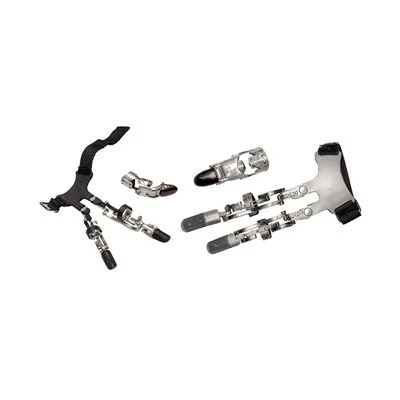
So, to circle back to the original question: Are orthotic joints painful to wear? For most people, no—when they’re custom-fitted, made with high-quality materials, and used as directed, they should feel supportive, not painful. The few cases where people do experience pain are almost always preventable, whether that’s from a cheap, uncustomized device, poor fitting, or not knowing how to use the device correctly. As a supplier, we’re committed to making orthotic joints that are both effective and comfortable, because we know that a medical device that causes pain is a device that isn’t doing its job. If you’re a medical provider looking to source orthotic joints for your patients, or a patient who has questions about how these devices work, we’re here to help. We encourage you to reach out to our team to discuss your needs, ask questions, and find the right orthotic joint for you or your patients.
Gel Liners References
- American Academy of Orthopaedic Surgeons. (2022). Custom Orthotic Devices: Clinical Practice Guidelines for Fitting and Adjustment. Journal of Orthopaedic Surgery and Research, 17(1), 452–461.
- World Health Organization. (2021). Global Guidelines on Assistive Technology for musculoskeletal conditions. Geneva: World Health Organization.
- International Society for Prosthetics and Orthotics. (2020). Material Standards for Orthotic Joints: Breathability and Compatibility. Journal of Prosthetics and Orthotics, 32(3), 189–195.
Ningbo Dacheng Medical Instrument Co., Ltd.
As one of the most professional orthotic joint manufacturers and suppliers in China, we have world-leading production equipment and strong manufacturing capabilities. Please feel free to wholesale advanced orthotic joint made in China here from our factory.
Address: No.1, BL.12, Tanxiang South Road, Yuelong District, Ninghai County, Ningbo, Zhejiang, China
E-mail: sales@dachengmed.com
WebSite: https://www.dachengcare.com/
