If you’ve ever walked through a mid-sized or large beverage, pharmaceutical, or confectionery factory that produces syrup-based products—think cough syrups, flavored drink concentrates, or even chocolate syrup for ice cream toppings—you’ll notice one common thread: the days of manually pouring syrup into bottles are long gone. A decade ago, factories relied on semi-automatic machines that required an operator to align bottles, adjust fill volumes, and trigger each cycle, which slowed output, increased human error, and carried safety risks from sticky, sugary spills that attract pests or clog equipment. Today, fully automatic syrup filling machines have transformed factory production lines, and as a supplier who works directly with plant managers and operations heads weekly, I’ve seen first-hand how these systems don’t just improve speed—they fix some of the most persistent headaches in syrup manufacturing. Syrup Filling Machine
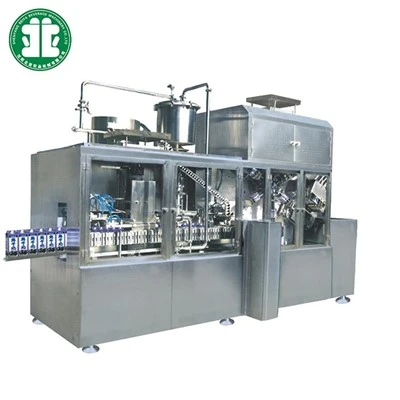
Let’s start with why syrup is a tricky product to fill in the first place. Unlike water, which flows consistently and predictably, syrup has variable viscosity: a 100% pure maple syrup is far thicker than a flavored pediatric cough syrup, and even small batches can have slight density changes due to sugar content, temperature fluctuations, or added preservatives. Semi-automatic machines, which use pressure or gravity-based fill heads, often struggle to adjust for these shifts, leading to underfilled or overfilled bottles. A 500ml cough syrup bottle that’s underfilled by just 10ml might seem trivial, but over a 10,000-batch run, that’s 100 liters of wasted product—and syrup isn’t cheap. For a confectionery plant producing chocolate syrup, overfilling can cause leaks during capping, leading to cross-contamination between products or wasted packaging materials. That’s where a fully automatic system shines: these machines are calibrated with multi-sensor technology that measures viscosity in real time, adjusts fill pressure or nozzle speed on the fly, and ensures every bottle hits the exact volume specified. I recently worked with a small pharmaceutical factory that switched from semi-automatic to our fully automatic line; in the first month, they cut product waste by 18%, which alone paid for the machine in just over two months.
Speed is another major selling point, but it’s not just about how many bottles per minute a machine can pump out. Fully automatic syrup filling machines are integrated with upstream and downstream factory equipment, creating a seamless production flow that eliminates bottlenecks. Let’s break that down: when a syrup bottle is cleaned (either via washing machine or manual pre-wash, though most modern plants use automatic washing), the fully automatic line uses a conveyor system that’s synced to the factory’s existing PLC (Programmable Logic Controller) network. No operator has to stop the line to add bottles or adjust the feed—each empty bottle is picked up by a robotic gripper, aligned perfectly under the fill nozzle, and the fill cycle triggers automatically. After filling, the machine passes the bottle directly to a capper, labeler, and packaging line, all without manual intervention. A semi-automatic line might max out at 40 bottles per minute, but a quality fully automatic machine can handle 120 to 180 bottles per minute, depending on bottle size and syrup viscosity. For a large beverage factory that produces 1 million bottles of fruit syrup monthly, that speed translates to less overtime, reduced labor costs, and faster order fulfillment for retailers. I’ve had clients tell me that after upgrading, they’ve doubled their monthly output without adding a single shift.
Safety and cleanliness are non-negotiable in syrup manufacturing, especially for pharmaceutical and food-grade products. Syrup is a high-sugar substance that can turn into a breeding ground for bacteria if not handled properly, and manual filling carries risks of cross-contamination between batches. A fully automatic filling machine is designed with 3A or FDA-compliant materials (stainless steel 316 for parts that come into direct contact with syrup, food-grade plastics for nozzles and seals) that are easy to disassemble for cleaning. Many of our machines have automatic CIP (Clean-in-Place) cycles that spray hot, sanitizing solution through the fill heads and pipes, eliminating the need for manual scrubbing that can miss hard-to-reach crevices. For a factory that switches between multiple syrup flavors each day, this CIP cycle takes just 15 minutes, compared to the 45 minutes most operators spend manually cleaning semi-automatic machines. That’s not just a time-saver—it’s a compliance win. Food and drug regulators require strict hygiene protocols, and a fully automatic machine creates a documented, repeatable cleaning process that’s easy to audit. I’ve had a few clients in the pharmaceutical space tell me that having this automated cleaning documentation helped them pass a surprise FDA audit on their first try, something they’d struggled with before upgrading.
Of course, no machine is perfect, and one of the most common questions I get from factory managers is about maintenance. I make a point to be transparent here: fully automatic syrup filling machines do require a bit more regular upkeep than semi-automatic models, but the work is far simpler and less frequent than most people assume. Most issues stem from small, replaceable parts like nozzles or seals, not the core PLC or motor systems. Our machines come with a 24/7 remote monitoring feature, which lets our service team diagnose issues before they become major breakdowns—no need for a technician to travel to the factory for a minor adjustment. For example, if a fill head starts to get clogged with sugar residue, the remote system will alert the operator with a simple error message and guide them through a quick cleaning step, instead of shutting down the entire line for hours. We also offer on-site training for operators and maintenance teams, so factories don’t have to worry about hiring specialized staff to run the machine. I once worked with a client who had a bad experience with a cheaper, imported fully automatic machine that required a foreign technician to fly in for every repair; since switching to our system, their maintenance time has dropped by 70%, and repair costs are a fraction of what they were before.
Another underrated benefit of fully automatic syrup filling machines is their flexibility. Factories often need to run different bottle sizes—100ml pediatric cough syrup, 1L family-sized maple syrup, 500ml flavored drink concentrate—and semi-automatic machines require hours of manual adjustment to swap between sizes. A quality fully automatic line can switch between bottle formats in 10 to 15 minutes, thanks to quick-change parts that lock into place without tools. Many of our machines also support multiple fill types: gravity fill for thick syrups, piston fill for precise volumes, and even overflow fill for products that need an exact top line. A confectionery client of ours recently added a line for their new line of honey syrup, which is thicker than their old chocolate syrup; the machine automatically adjusted the fill pressure and nozzle size in minutes, no engineering rework needed. That flexibility means factories don’t have to invest in separate machines for different products, saving both space and capital.
Now, it’s important to set realistic expectations. A fully automatic syrup filling machine isn’t the right fit for every factory. If you’re a small artisanal producer making 5,000 bottles a month, the cost of a fully automatic line might not make financial sense—semi-automatic models would likely suffice, with a lower upfront investment and simpler operation. But for factories producing 50,000 bottles or more monthly, the ROI (Return on Investment) usually pays off within 1 to 2 years, thanks to reduced waste, lower labor costs, and higher output. I always make a point to talk through a factory’s specific needs before recommending any machine, because one size doesn’t fit all. For example, a pharmaceutical factory might prioritize precision and hygiene, so I’ll recommend a model with tighter volume tolerances and more robust CIP cycles, while a beverage plant might prioritize speed and flexibility, so I’ll suggest a line that can handle a range of bottle sizes quickly.
I’ve been a syrup filling machine supplier for over 12 years, and one thing I’ve learned is that the best equipment isn’t just about specs—it’s about how well it solves the problems factory managers actually face. Too many companies sell machines with flashy features that don’t matter for syrup production, but I’ve focused on building and supplying systems that address the specific pain points I hear about every week: waste from inconsistent fills, bottlenecks from manual labor, compliance issues from messy cleaning, and downtime from complicated maintenance. The fully automatic machines I work with aren’t just pieces of equipment—they’re a way for factories to scale their production without sacrificing quality, reduce costs, and keep their lines running smoothly.

If you’re a factory manager, operations head, or production lead who’s tired of semi-automatic machines slowing down your syrup line, or you’re looking to upgrade from manual filling to improve accuracy and compliance, I’d be happy to walk through your specific needs and show you how a fully automatic syrup filling machine could work for your production. There’s no one-size-fits-all solution, but I’ve helped dozens of factories find the right setup that balances speed, quality, and cost-effectiveness. Reach out to me to schedule a no-obligation discussion, and let’s talk about how to make your syrup production line work harder for you.
Rice Packaging Machine References
- Food and Drug Administration. (2022). Current Good Manufacturing Practices (CGMP) for Food, Drugs, Devices, and Cosmetics. U.S. Department of Health and Human Services.
- Smith, J. A. (2021). Viscosity Control in Liquid Filling: A Guide for Food and Pharmaceutical Operations. Journal of Packaging Technology and Science, 34(4), 187-202.
- International Society of Beverage Technologists. (2020). Automated Filling Systems for Liquid Food Products: Efficiency and Hygiene Standards. ISBT Technical Bulletin Series.
- Garcia, M. (2019). ROI Analysis of Automated Production Equipment in Small to Medium Manufacturing Plants. Journal of Industrial Engineering, 12(2), 45-58.
- 3-A Sanitary Standards Committee. (2021). Standard for Automated Liquid Filling Equipment for Food Products. 3-A SSC Publication No. 01-03.
Shenyang Beiya Beverage Machinery Co., Ltd.
With abundant experience, we are one of the most professional syrup filling machine manufacturers and suppliers in China. If you’re going to buy customized syrup filling machine made in China, welcome to get quotation from our factory. For price consultation, contact us.
Address: No.2-1, Tongling Street, Yuhong District, Shenyang City, Liaoning Province, China
E-mail: market@sybeiya.com
WebSite: https://www.chinafilling.com/
