Hey everyone, Transit Mixer
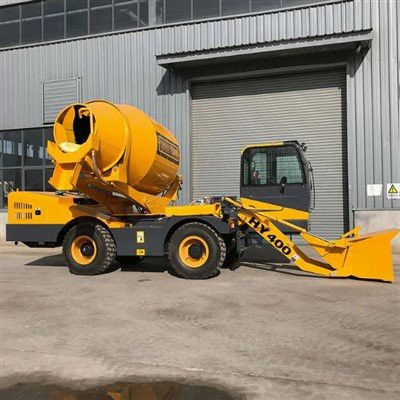
If you’ve ever been on a road project, a residential build, or even a large public works site, you’ve probably seen those rumblin’ transit mixers rollin’ in with that big rotating drum. But not all mixers are made equal—right now, the European-style ones are gettin’ a lot of love, and as a supplier who’s been in the game for over a decade, I wanna break down why they’re worth every penny compared to the old-school domestic models some folks still swear by. Let’s cut the jargon, keep it real, and get into the actual advantages that matter to you, whether you’re a site manager, a small business owner, or someone who’s just tired of dealin’ with mixer headaches.
First off, let’s talk about mix quality. I know, I know—every mixer says it keeps concrete consistent, but European-style mixers do this different. Most of ’em use a fixed shaft with spiral mixing blades, not the flimsy adjustable paddles you see on a lot of entry-level mixers. Wait, let me explain: those blades are angled just right—like, European engineers spend years testin’ the angle so that when the drum spins, it doesn’t just rotate the concrete; it actually folds it over and over inside. That means no dry clumps, no soupy patches, and no spots where the cement’s settled at the bottom. Last month, a customer of mine was workin’ on a 12-story apartment foundation, and he told me his concrete had zero segregation issues—something he’d dealt with three times before with standard mixers. Segregation is a big deal ’cause if your concrete separates, it’s weaker, and you end up with cracks down the line that cost you way more to fix than just gettin’ the right mixer up front. Also, European models often have a better water dosage system—they’re wired to add water slowly while the drum’s turnin’ instead of dumpin’ it all at once. That means you can adjust slump (the concrete’s workability) way more precisely, no guesswork on site.
Next up, efficiency on the road and on the job. Let’s be honest, time is money. European transit mixers are built lighter than most traditional mixers. Wait, how? They use high-tensile steel for the drum instead of the thick, heavy steel that domestic makers have used for years. The result? The whole truck is around 1,500 to 2,000 pounds lighter. That doesn’t just save on fuel—though fuel costs are a huge expense for any fleet, especially now that diesel’s bouncein’ around. A lighter truck means you can carry more concrete without overloadin’—most places have weight limits for commercial vehicles, so a lighter mixer lets you hit that limit with more usable concrete instead of extra weight takin’ up space. I had a client who runs a small paving company; he switched last year and told us he can carry 2 cubic yards more per load, and his fuel went down by 10% a month. Multiply that over a year, and that’s like an extra month of wages for a part-time operator, or new tools for the site. Also, the drum rotation is more efficient. European models have a hydraulic system that adjusts speed smoothly, not that jumpy, on/off speed a lot of old mixers have. So when you’re travelin’ empty, you can spin the drum slow enough to save energy, and when you’re mixin’ or unloadin’, it ramps up just enough without wastin’ power. That also means less wear and tear on the engine and hydraulic parts—so fewer breakdowns, less repair bills.
Then there’s versatility. A lot of folks think transit mixers are just for big concrete pours, but European-style ones are way more flexible for different jobs. Let’s say you’re doin’ a small residential patio—you don’t need a 10-cubic-yard load. European mixers have smaller drum sizes (like 3 to 6 cubic yards) that can handle those small runs without bein’ overkill. But they also work great for big jobs: their drum designs can mix a wider range of concrete types, from high-strength structural concrete to lightweight mixes for bridge decks. I’ve had customers use the same mixer for a street repair, a backyard pool, and a commercial parking garage all in the same month—no need to rent a different machine each time. Another big versatile point: the unloading system. European mixers often have both a chute and a remote-controlled conveyor belt, which is way easier for gettin’ concrete into tight spots. Like, if you’re pourin’ a foundation that’s next to a tree or a fence, you don’t have to move the whole truck 50 feet—you just adjust the conveyor. Old-style mixers usually only have a short chute, so you’re stuck either rearrangin’ the site or spillin’ concrete, which is a waste. Also, some models have the option to add admixtures (like accelerators or colorants) right on site, not just at the plant. That’s clutch for jobs where you need a custom mix last minute—no havin’ to order a special batch and wait around.
Maintenance is another thing that gets overlooked, but let’s be real—no one likes fixin’ a mixer at 2 a.m. on a job site. European transit mixers are built with modular parts, so if something breaks, you don’t have to replace the whole drum or the whole hydraulic unit. You can just swap out the damaged blade or a single valve, which cuts repair time by half and saves you a ton of cash on parts. Also, they have better access to internal parts—most domestic mixers make you crawl under the drum or take off half the body to get to the blades, but European ones have panels that pop right off. I remember a customer last winter had a bent blade, and he fixed it in 45 minutes instead of the 3 hours he spent on his old mixer. Another thing: seal life. The seals that keep concrete from leakin’ out of the drum are way more durable on European models. Old mixers leak, like, a gallon or two every time you unload, which is gross, wastes material, and can damage the truck’s frame over time. The seals on European mixers are designed to handle the constant spinning and the abrasive nature of concrete, so they last twice as long. I’ve seen some of our mixers go 3 years without replacin’ seals, whereas most domestic mixers need ’em changed every 18 months. That’s not just less maintenance—it’s less cleanup, less waste, and less stress.
Wait, let’s talk about compliance and sustainability too, ’cause that’s a big thing now for a lot of builders. European countries have way stricter emissions standards for commercial vehicles, so the transit mixers built there are already way ahead on carbon rules. A lot of US models still don’t meet the latest EPA emissions requirements for heavy-duty engines, so you might end up havin’ to retrofits or pay fines if you run a non-compliant mixer. European ones come with engines that already meet Tier 4 Final or even higher standards, so you don’t have to worry about that. Also, they’re designed to cut down on concrete waste. Like, the efficient mixing means less overorderin’—if your mixer mixes consistently, you don’t have to order extra concrete “just in case” because you might have leftover soupy mix that’s unusable. Our customers typically report 15% less concrete waste than when they used old mixers. For a big job, that’s thousands of dollars saved in materials alone. Plus, the lighter weight we talked about earlier means less fuel burned, so lower carbon emissions overall—something that’s huge for projects that need LEED certification or other green building standards.
Now, I know what some of you are thinkin’: “They cost more upfront, right?” Yeah, okay, the initial price tag is a little higher than a standard mixer—usually 10 to 15% more. But let’s do the math here. Let’s say you save 10% on fuel, 20% on maintenance, 15% on concrete waste, and you can carry 2 extra cubic yards per load. Over a 5-year lifespan, that extra upfront cost is paid off in less than 18 months, and then you’re profiting every month after that. I’ve had customers who switched and told me they made back the difference in just 12 months. It’s not a short-term investment—it’s a long-term win. And let’s be real: downtime is costly. If your mixer breaks down on a 10,000-yard pour, you’re not just fixin’ the machine—you’re losin’ money on labor, rental equipment to finish the job, and maybe even penalties for late completion. European mixers have way fewer breakdowns, so that downtime risk is way lower.
Look, I’m not here to bash domestic mixers—some are solid, and they work for certain small jobs. But if you’re runnin’ a business that does regular concrete work, whether it’s residential or commercial, the European-style transit mixer is the way to go. It’s better quality, saves you money on fuel and maintenance, is more flexible for different jobs, and helps you stay compliant and green.

At the end of the day, our whole job as a supplier is to help you make your business easier, not harder. If you’re tired of dealin’ with inconsistent concrete, high fuel bills, constant repairs, or mixers that can’t keep up with your job demands, let’s chat. We can walk through what size and model fits your specific work, answer any questions you have, and help you figure out how the numbers add up for your business. Don’t wait until your next big job has you stuck with a bad mixer—reach out, and let’s get you set up with a transit mixer that actually works for you.
Concrete Mixer References
- European Ready Mixed Concrete Organization (ERMCO). (2022). Transit Mixer Design and Efficiency Standards for European Construction.
- U.S. Environmental Protection Agency (EPA). (2023). Heavy-Duty Vehicle Emissions Compliance Requirements for Construction Equipment.
- National Ready Mixed Concrete Association (NRMCA). (2021). Concrete Segregation and Mix Consistency: Industry Best Practices.
- International Bureau of Weight and Measures (IBWM). (2020). Commercial Vehicle Weight Limits and Payload Optimization for Construction Fleets.
Shandong Fuxin Automobile Technology Co., Ltd.
We’re well-known as one of the leading transit mixer manufacturers and suppliers in China, featured by quality products and good price. Please rest assured to buy advanced transit mixer made in China here from our factory. Contact us for more details.
Address: West of Nanshou Road, Beihai Road, Weifang City, Shandong Province
E-mail: h17616861003@gmail.com
WebSite: https://www.fuxinautomobile.com/
