If you’ve ever found yourself in a situation where a power outage shuts down your business’s critical operations, or you live in an area prone to extreme weather that takes out the grid for days, a gas generator probably crossed your mind. As a long-time gas generator supplier, I hear this question at least a dozen times a week: “Is it difficult to install a gas generator?” The short answer is—it depends. But let’s cut through the sales fluff and the scare stories you’ll find online, because installation doesn’t have to be a stressful, overly complicated process if you go into it with the right information. Gas Generator
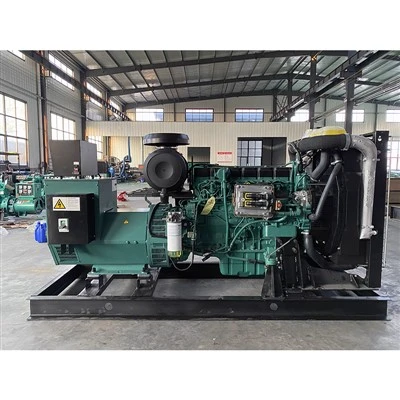
First, let’s break down what “installation” actually means for a gas generator. It’s not just unboxing a big metal box and plugging it in. There are two main types of residential and light commercial gas generators I work with daily: portable generators and standby (or whole-house) generators. These are two totally different beasts when it comes to setup, so let’s tackle them separately because that’s where most people get confused.
Portable gas generators are the ones you see at hardware stores, usually wheeled, with a built-in handle and a few outlets on the front. My neighbor bought one a few years ago during a freak snowstorm that knocked out power for three days, and he thought he could just roll it out of his garage, fill it with gas, and start it up. He almost burned his house down. Wait—why? Because portable generators can’t be installed anywhere. They need to be placed at least 20 feet away from any building, with the exhaust pointing away from windows, doors, or vents. Carbon monoxide is a silent killer, and every year, dozens of people end up in the hospital or worse because they set their portable generator too close to their home. That’s the “difficult” part for portable generators: it’s not hooking up the power, it’s following the safety guidelines that are non-negotiable. If you’re handy with basic tools, you can plug your essential appliances (fridge, sump pump, a few lights) into the generator using heavy-duty outdoor extension cords rated for at least 10-gauge wire—anything thinner can overheat. But here’s the thing: as a supplier, I always advise customers to skip the DIY for portable generator placement. Even a small mistake with exhaust placement can have fatal consequences. I once had a customer who called me panicking because he’d run his portable generator in his garage and his wife started feeling dizzy. Luckily, they caught it in time, but that’s exactly why I don’t brush off the “difficulty” part for portable units—it’s not about skill, it’s about safety.
Now, the bigger, more common question: is installing a standby gas generator hard? This is the unit that permanently mounts outside your home or business, connects directly to your natural gas line or propane tank, and automatically kicks on within 10 to 30 seconds when the grid power goes out. For most people, this is the generator they want, because it means no hauling heavy units out, no worrying about fuel levels, no fumbling with cords in the dark. But is the installation difficult? Let’s be real: it’s not something your average homeowner can do in a weekend. But that’s intentional. Standby generators are not a DIY project, and that’s a good thing. Why? Because there are codes, permits, and safety inspections involved that you can’t skip.
First, you need to get the right permits. Every local government has strict building codes for generator installation, and these vary by city, county, and even neighborhood. For example, in some areas, standby generators have to be at least 5 feet from your home, 10 feet from any property line, and placed on a concrete pad or a pre-approved gravel base to prevent shifting. If you try to install without a permit, you could end up having to tear the whole thing out, pay a fine, or have it rejected during a sale of your home later. As a supplier, I only work with licensed, insured electricians and plumbers who are familiar with these local codes. Why? Because I’ve seen too many customers try to cut corners on permits and end up with generators that don’t work, or worse, pose a fire hazard.
Next, there’s the utility connection. Standby gas generators run on either natural gas (which is cheaper for long-term use) or liquid propane (good for areas without natural gas lines). Connecting to your home’s gas line isn’t just screwing a pipe into the generator—you have to make sure the gas line is sized correctly to deliver enough fuel for the generator’s output. A 20kW generator, for example, needs a larger gas line than a 10kW unit. If the line is too small, the generator won’t run at full power, and it can damage the engine over time. Same with the electrical side: the generator has to be connected to your home’s transfer switch, which is a critical safety device that prevents backfeeding. Backfeeding is when power from your generator flows back into the grid, which can electrocute utility workers trying to fix an outage. That’s why the transfer switch is required by law in most places, and only a licensed electrician can install it correctly. You can’t just plug the generator into your home’s outlet— that’s a huge safety risk.
Wait a second—does that mean all professional installations are difficult? No, not for the right pro. In my 12 years as a gas generator supplier, I’ve worked with hundreds of installation teams, and the best ones can have a residential standby generator up and running in a single day. The difficulty comes from making sure every step is done to code, not from the actual physical labor. Let’s compare that to installing a new water heater—you wouldn’t try to do that yourself, right? You call a pro because of the gas and electrical connections, same with a generator. The only time installation gets “hard” is if you pick a cheap, unlicensed handyman who cuts corners, skips permits, or doesn’t understand the specific requirements for your area. I had a customer last year who hired a guy from a social media ad to install his standby generator. The guy skipped the concrete pad, connected the gas line with the wrong fittings, and didn’t install the transfer switch correctly. When the next storm hit, the generator started, but backfed power into the grid, and the utility company had to shut down power for the whole block to fix the issue. That customer ended up paying thousands of dollars to fix the mess, plus a fine for unpermitted work. That’s the “difficulty” of generator installation—when you don’t take it seriously and skip the proper steps.
There’s another factor that people don’t always consider: site assessment. Before any installation even starts, a reputable supplier or installer will come to your home or business to check a few things: how much power you need (that’s based on what appliances or systems you want to run during an outage—for a home, that’s usually HVAC, fridge, lights, maybe a well pump; for a small business, it’s POS systems, refrigeration, security systems). They’ll also check where the gas line is located, where your electrical panel is, and how much space you have for the generator unit. This isn’t a one-size-fits-all project. For example, if you live in a tight urban neighborhood, you might need a smaller generator than someone with a large suburban home. If you have a septic system, the well pump is critical, so you need a generator that can handle that high power demand. As a supplier, we always do a free site assessment for our customers because installing the wrong size generator is a bigger hassle than installing it. A generator that’s too small won’t power what you need, and a generator that’s too big is a waste of money and uses more fuel than necessary.
Now, let’s talk about common myths that make installation seem harder than it is. One myth is that you need a big, messy excavation for the gas line. That’s not true for most homes. Modern flexible gas lines make connecting a generator to an existing line much simpler than it was 10 years ago. Another myth is that installation takes weeks. With the right team, it’s usually a 1-2 day process, plus a few days for the city to inspect the work. The inspection is a required step, but it’s not something to fear—if the installation is done to code, it’s a quick pass.
I’ve had customers come to me saying they tried to get a quote from another supplier and were quoted $10,000 more than they expected. That’s usually because the cheap quote was for the unit only, and didn’t include installation, permits, or site assessment. As a supplier, we’re transparent about the total cost upfront, because we want our customers to know exactly what they’re getting, no hidden fees. The last thing I want is for someone to buy a generator from us and then be stressed about the cost of installing it.
Let’s also touch on maintenance, because that’s tied to how easy installation is. When you work with a reputable supplier, the installation isn’t the end of the process. We offer maintenance plans that include annual tune-ups, filter changes, and load testing. A well-installed generator will run for 10-15 years with proper maintenance, so the installation is the foundation of reliable performance. If you cut corners on installation, even the best generator will break down when you need it most.
So, to circle back to the original question: is it difficult to install a gas generator? For the average homeowner or small business owner, yes, if you try to do it yourself. No, if you hire a licensed, experienced professional from a reputable supplier like ours. The difficulty isn’t in the work itself—it’s in knowing the safety codes, local regulations, and technical requirements that keep you, your family, and the utility workers safe. It’s in not cutting corners, not skipping permits, and choosing the right size unit for your needs.
I’ve seen too many people put off buying a generator because they think installation is too hard. But when you compare the cost of an outage—whether that’s spoiled food in the fridge, a flooded basement because the sump pump died, or lost revenue for a business—it’s a no-brainer. The right installation doesn’t have to be a headache. It just takes the right team to guide you through every step, from choosing the unit that fits your needs to making sure it’s installed correctly, inspected, and ready to go when the power goes out.

If you’re ready to stop worrying about power outages, don’t take chances with unlicensed installers or DIY projects that can put your safety at risk. Reach out to our team today to schedule a free site assessment, get a transparent quote, and find out how easy it is to get a reliable gas generator installed correctly. We’ll walk you through every step, answer all your questions, and make sure you have a backup power solution that works for your home or business.
Silent Type Generator Set References
- North American Standard for Generator Installation, National Fire Protection Association (NFPA) 70: National Electrical Code, Article 705.
- Residential Generator Installation Guidelines, International Code Council (ICC) 2021.
- Carbon Monoxide Safety for Portable Generators, Centers for Disease Control and Prevention (CDC), 2023.
- Standby Generator Sizing and Fuel Line Requirements, Propane Education & Research Council (PERC), 2022.
Weifang Bofa Power Equipment Co., Ltd.
We’re well-known as one of the best gas generator suppliers in China. With a professional production team, we are able to meet the needs of the majority of our customers. Please feel free to buy cheap gas generator for sale here from our factory. For price consultation, contact us.
Address: Lianhuachi Village, Fangcheng Street Office, Fangzi District, Weifang City, Shandong Province.
E-mail: sales@wfbofapower.com
WebSite: https://www.wfbfgenset.com/
