If you’ve ever shopped for bulk packaging material, agricultural coverings, or industrial textiles, chances are you’ve run into PP woven fabric. As a supplier of this material, one of the most common questions I get from new clients, whether they’re a small farm sourcing grain bags or a logistics firm designing heavy-duty shipping wraps, is this: Is PP woven fabric tear-resistant? It’s a fair question—tear resistance isn’t a one-size-fits-all trait, and if you’re relying on this material to keep your goods safe, it’s worth digging past the marketing buzzwords to understand what makes PP woven hold up (or fail) under stress. PP Woven Fabric
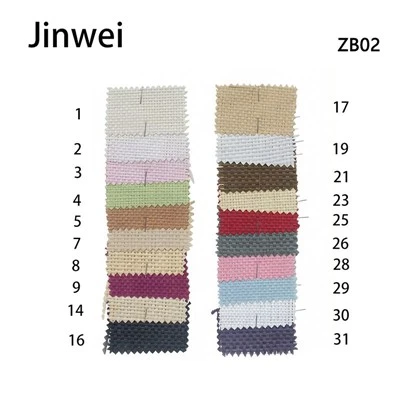
Let’s start with the basics: what exactly is PP woven fabric? Short for polypropylene, this is a thermoplastic polymer that’s melted into thin, ribbon-like strands, stretched to align its molecules for strength, then woven into a flat, grid-like fabric similar to burlap but far more uniform. The “woven” part is key—unlike non-woven polypropylene, which is bonded with chemicals or heat, woven PP strands interlock with one another, creating a structure that distributes force differently. That interlocking is the first secret to its tear resistance, but it’s not the only factor.
When we test tear resistance for PP woven fabric, we don’t just eyeball it in our warehouse. There are standardized tests we use to measure it, and results can vary wildly depending on how the fabric is made. For example, the ASTM D4533 standard for tear propagation in woven fabrics measures how much force is needed to spread a small cut into a full tear. A low-quality PP woven fabric, made with thin strands and a loose weave, might only take 5-10 pounds of force to tear 6 inches along a cut edge. But a heavy-duty grade we produce for construction and industrial use can take 50+ pounds of force for that same tear. That gap is the difference between a grain bag that splits open on the farm and one that holds 50 pounds of corn through a bumpy truck ride, or a construction ground cover that withstands the weight of a worker stepping on a sharp rock.
But why does that variation exist? Let’s break down the variables that impact PP woven fabric’s tear resistance, because that’s where a lot of suppliers cut corners. First, strand thickness: thinner PP strands are cheaper to produce, but they’re more prone to snapping when stretched. We use strands that are 200 denier (a measure of linear density) for our standard agricultural bags, but for heavy-duty applications, we bump that up to 600 denier. Thicker strands don’t just resist snapping individually—when a force hits the fabric, the interlocked woven structure transfers that force across multiple strands, instead of letting a single thin strand break and triggering a chain reaction of tears.
Second is the tightness of the weave. A loose weave, where strands are spaced far apart, feels flimsy even if the strands are thick. We use a plain weave for most of our products, which balances breathability (important for grain that can mold if trapped in plastic) and tear resistance. For even higher strength, some of our heavy-duty products use a tighter twill weave, where strands cross at a steeper angle, creating a denser grid that can’t be pulled apart as easily. I’ve seen suppliers cut corners here, too—they’ll use a loose plain weave to save on material, and their clients end up with bags that tear when they’re stacked in a warehouse. It’s a avoidable mistake, but one that happens often.
Third is UV stabilization, a feature that’s often overlooked when talking about tear resistance, especially for products used outdoors. PP is a thermoplastic, which means it breaks down when exposed to UV radiation from the sun over time. That process makes the strands brittle, so a fabric that’s tear-resistant when new can become fragile after a few months of outdoor use if it’s not stabilized. We add UV inhibitors to all our outdoor-grade PP woven fabric, which extends its lifespan from a few months to 2-5 years of outdoor exposure without losing tear strength. Last year, a landscaping client told us their old, non-UV-stabilized ground cover tore within a month, while our product lasted through two rain seasons and a summer of 90-degree heat. That’s the difference between choosing a cheap product and one that actually works for your use case.
Now, let’s get to the real-world performance of PP woven fabric, because lab tests only tell part of the story. I’ve worked with clients in dozens of industries, and here’s what I’ve seen: for light-duty applications, like small produce bags or shipping envelopes for small parts, PP woven fabric is highly tear-resistant—we’ve had clients drop bags of 20 pounds of apples from 4 feet, and not a single tear. For medium-duty, like grain bags, sandbags, or garment shipping wraps, it’s reliable when made correctly. The sandbags we supply for flood control, for example, can hold 50 pounds of sand and be dragged over gravel without tearing, a critical trait when every second counts during a flood.
Where PP woven fabric can fall short is in extreme, high-stress applications. If you’re stretching the fabric over sharp, heavy objects without any padding, even our heavy-duty grade will tear. We’ve had a client test a small piece of our fabric by dragging it over a rusty metal bar, and it tore after 12 inches of drag. But that’s not a flaw in the material itself—it’s a matter of matching the grade of PP woven fabric to the job. If a client comes to us looking for fabric to wrap large, sharp metal parts, we’ll recommend a thicker, reinforced PP woven fabric with a protective liner, instead of our standard grade. It’s our job as a supplier to match the product to their needs, not overpromise what the fabric can do.
Another common question: how does PP woven fabric compare to other tear-resistant materials? Some clients ask if it’s better than nylon or polyester, but it really depends on the use case. Nylon is more tear-resistant for small, flexible products, but it’s more expensive and less breathable. Polyester is more UV-resistant than standard PP, but it’s heavier. PP woven fabric strikes a unique balance: it’s lightweight, breathable, waterproof (we can add a polyethylene lamination for extra water resistance), and affordable, which is why it’s the go-to for so many industries. The tear resistance is sufficient for most bulk, outdoor, and packaging uses, especially when you choose the right grade.
I’ve also seen a lot of misinformation online about PP woven fabric’s tear resistance, mostly from suppliers who don’t specialize in it. Some will claim their product is “100% tear-proof,” which is a marketing line that doesn’t hold up. No fabric is truly tear-proof—even kevlar can tear under enough force. What PP woven fabric can offer is excellent tear resistance for the price, and that’s why it’s such a popular material. The key is to work with a supplier that doesn’t use generic claims, but can explain how their product’s strand thickness, weave, and UV stabilization make it suited for your specific application.
For example, last quarter, we worked with a startup that was designing compostable bulk bags for coffee beans. They were worried about tearing during transport, and initially looked at non-woven fabric, which was more expensive. We recommended our standard agricultural-grade PP woven fabric, laminated with a thin layer of PLA (a compostable plastic) to make it water-resistant. It was 30% cheaper than non-woven, had the tear strength they needed, and they were able to get their product to market on budget. That’s the kind of solution we focus on: not just selling a product, but making sure it works for what our clients need.
If you’re on the fence about whether PP woven fabric is tear-resistant for your project, here’s what I suggest. First, think about your end use: are you using it indoors or outdoors? How much weight will it hold? Will it come into contact with sharp objects or extreme temperatures? Then, talk to a supplier that can walk you through the different grades. We offer samples of all our products, so clients can test the tear resistance themselves—pull a piece, cut a small tear, see how far it spreads. That hands-on test is worth more than any lab result, because it’s your own use case.
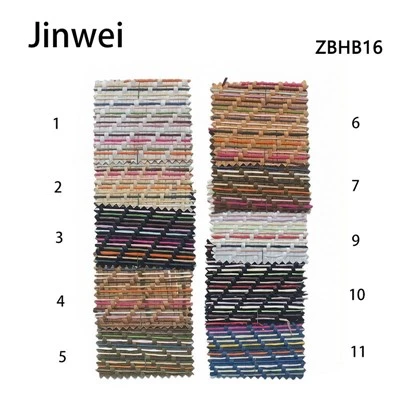
At the end of the day, PP woven fabric’s tear resistance is dependent on more than just the material itself—it’s about how it’s manufactured, processed, and matched to your needs. As a supplier, I’ve seen too many clients choose a cheap, low-grade fabric that tears easily, costing them money and time. That’s why we’re transparent about what our products can do, and what they can’t. If you’re looking for PP woven fabric for your next project, whether it’s sandbags, agricultural coverings, packaging, or something else, we can provide the right grade to meet your tear resistance requirements. We’d be happy to send you samples, answer any questions, and work with you to find the best solution for your needs. Don’t hesitate to reach out to start a conversation about your specific project and how our PP woven fabric can help.
References
PP Woven Fabric ASTM International. (2018). Standard Test Method for Tear Propagation of Fabrics (ASTM D4533). West Conshohocken, PA: ASTM International.
Plastics Europe. (2022). Polypropylene Woven Fabrics: Properties and Applications. Brussels: Plastics Europe.
National Agricultural Statistics Service. (2021). Agricultural Packaging Materials and Durability Report. Washington, D.C.: U.S. Department of Agriculture.
Nanping Kingway New Material Co., Ltd.
As one of the most professional pp woven fabric manufacturers and suppliers in China, we also support customized service. With abundant experience, we warmly welcome you to wholesale durable pp woven fabric in stock here from our factory. If you have any enquiry about pricelist, please feel free to email us.
Address: No. 10, Chengnan Branch Road, Chengjiao Town, Nanping, Fujian, China.
E-mail: npjwxcl@aliyun.com
WebSite: https://www.suernew.com/
