If you’ve ever stood at your kitchen sink, turned on your faucet water filter, and noticed that the water flow is weaker than it used to be, or that there’s a faint, musty taste coming through instead of the crisp, clean water you’re used to, you’re not alone. As a faucet water filter supplier, I hear this from customers all the time, and more often than not, the problem isn’t the filter cartridge—it’s the faucet attachment. The small, mesh-covered piece that screws onto the end of your filter’s spout is designed to catch sediment, limescale, and tiny food particles, but over time, those same particles build up, clog the holes, and turn a great filter into one that’s not working as well as it should. Faucet Water Filter
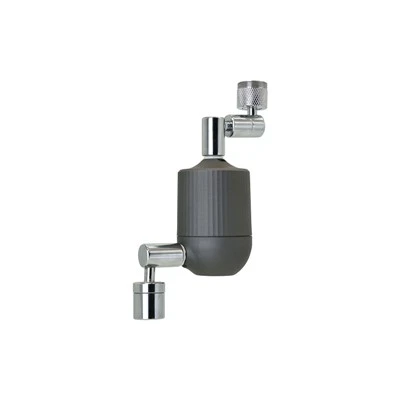
Today, I’m walking you through exactly how to clean your faucet water filter’s attachment—step by step, with the same tips I share with our wholesale clients and residential buyers alike. This isn’t just a “quick rinse” trick; it’s a science-backed process that takes 15 minutes, uses common household items, and will make your filtered water taste better, your flow stronger, and your filter cartridge last longer (which saves you money in the long run). Let’s get started.
First, let’s get clear on what we’re working with. The faucet attachment (sometimes called the spray head, aerator, or nozzle, depending on your filter model) is the final point where water exits your faucet filter. It’s made of either plastic or metal—usually food-grade plastic for most budget models, or stainless steel for our higher-end lines—and has dozens of tiny, precision-drilled holes. Those holes are where the clogs happen. Limescale from hard water, calcium deposits, coffee grounds, tea leaves, and even tiny bits of rust from old pipes can all get trapped in these holes. Over weeks and months, that buildup restricts water flow, forces water to take irregular paths through the filter (which can reduce contaminants removal), and even creates a breeding ground for bacteria if left too long. That’s why cleaning this part isn’t just about convenience—it’s about keeping your filtered water safe.
Before we jump into the steps, gather your supplies. You don’t need any fancy tools or specialized cleaning products. I recommend: a small bowl (or coffee mug, if you don’t have a bowl handy), white distilled vinegar (not apple cider vinegar, which leaves a sticky residue that’s hard to rinse off), a toothbrush with soft bristles (an old one works perfectly), a small needle or paperclip, a pair of rubber gloves (optional, but vinegar can irritate sensitive skin), and a clean kitchen towel. If your filter attachment is metal, double-check: brass or stainless steel can handle a bit more scrubbing, but plastic is more delicate, so we’ll adjust our method later.
Now, let’s break down the process into easy, manageable steps. Let’s start with removing the attachment from your faucet water filter. This is simpler than it sounds, but I see a lot of people force it and break parts, so here’s how to do it right. First, turn off the water supply to your filter (if it has a separate shut-off valve, most do under the sink). Then, grasp the attachment firmly with one hand, and hold the base of the faucet filter’s spout with the other. Twist the attachment counterclockwise—most of them unscrew by hand, but if it’s been on tight for a while, wrap a rubber band around the attachment to get a better grip, or use a pair of pliers (wrapped in a towel to avoid scratching) if you really need to. Don’t use too much force; if it won’t turn, check if there’s a small setscrew on the side—some models have one that you loosen with a hex key before twisting. Once it’s off, set it on your towel.
Next, the soak. This is the most important step for dissolving limescale and mineral buildup, and it works way better than just scrubbing. Pour enough white distilled vinegar into your bowl or mug to fully submerge the faucet attachment. If your attachment has a small rubber washer inside (the round, flexible piece that creates a seal between the attachment and the filter spout), take that out and soak it too—mineral buildup on the washer can also cause leaks. Let everything soak for 10 to 15 minutes. For really heavy clogs (like if your water has extremely high hard water, or you haven’t cleaned the attachment in over six months), you can let it soak up to 30 minutes, but don’t leave it longer than that—vinegar is acidic and can break down some plastic over time if soaked for hours.
After the soak, it’s time to get the buildup out of the tiny holes. Take your toothbrush (soft bristles, remember—hard bristles can scratch metal or crack plastic) and gently scrub the outside and inside of the attachment. Pay extra attention to the small holes where water comes out; limescale and sediment get stuck here, so use small, circular motions to scrub each hole individually. For any stubborn bits that won’t come loose from the holes, take your needle or paperclip and very carefully pick out the debris. Be gentle here—you don’t want to scratch or widen the holes, which can cause leaks later. If you’re working with a metal attachment, you can also gently brush the inside of the attachment (called the “aerator chamber”) to remove any trapped sediment, but be careful not to damage any internal rubber parts if there are any.
Once you’ve scrubbed all the holes and the outside, it’s time to rinse everything thoroughly. Turn on your tap to a strong stream, and run water through the attachment for at least 30 seconds to flush out all the vinegar, loosened debris, and sediment. This step is crucial—if you leave vinegar in the attachment, it can leave a tangy taste in your filtered water. Don’t skip this! After rinsing, take the rubber washer (if you removed it) and rinse it under water too, making sure all vinegar is gone.
Now, reattach the faucet attachment to your faucet water filter. This is the final step, and again, we want to do it right to avoid leaks. First, inspect the rubber washer—if it looks cracked, stretched, or discolored, that’s a sign it needs to be replaced, not cleaned. We sell replacement washers as part of our faucet water filter accessory line, so if yours is worn out, you can swap it for a new one for just a few dollars. If it looks good, put it back into the base of the attachment. Then, screw the attachment back onto the filter spout clockwise by hand—don’t over-tighten, because that can crack the plastic or strip the threads. Once it’s hand-tight, turn on the water and check for leaks. If it’s leaking, gently tighten it a little more, but stop if it’s still leaking—you may need to replace the washer.
Wait, there are a few extra tips I’ve picked up from years of working in the faucet water filter industry that make a big difference. First, how often should you clean this attachment? We recommend every 1 to 3 months, depending on your water quality. If you live in an area with very hard water (which is most of the U.S., parts of Europe, and many other regions), clean it every month. If you have soft water and use a filter with a good pre-filter, every 3 months is fine. Second, if you don’t have white distilled vinegar on hand, you can use a solution of equal parts baking soda and water, but note that this creates a fizz that can lift debris, but it’s not as good at dissolving limescale as vinegar, so you’ll need to scrub a little more. Third, never use bleach or harsh chemical cleaners on your faucet attachment—they can leave toxic residues that get into your drinking water, and they can damage the plastic or metal components over time.
I can’t tell you how many customers have emailed me after following these steps saying their filtered water went from tasting like metal or chlorine to crisp and clean again, without having to replace their filter cartridge early. One of our long-term wholesale clients shared that after implementing this cleaning routine for their commercial faucet filters, they reduced replacement costs by 20% because their filters lasted longer. That’s a win for your wallet and for the environment, too—less waste from throwing away old cartridges unnecessarily.
Now, let’s talk about common mistakes to avoid. The biggest one is forcing the attachment off without loosening the setscrew if there is one. I’ve seen too many people snap off the attachment’s plastic threads because they didn’t check for a setscrew, and that means buying a whole new attachment instead of just cleaning it. Another mistake is not rinsing the attachment well enough after the vinegar soak—leaving even a small amount of vinegar will make your water taste sour, which is frustrating. And finally, using a wire brush instead of a soft toothbrush—wire brushes scratch metal, leaving tiny crevices where bacteria can grow, and they can crack plastic attachments.
If you’ve tried these steps and your water is still tasting off, or the flow is still weak, it might be time to replace your filter cartridge. As a faucet water filter supplier, our team can help you figure out which filter is right for your model, and we offer fast shipping for both residential and bulk orders. We work with homeowners, restaurants, office buildings, and every type of business that relies on clean, great-tasting filtered water. If you’re a business owner looking to upgrade your existing faucet filters, or a homeowner who needs help finding the right model for your kitchen, our team is here to help. We also offer bulk pricing for anyone looking to stock up on replacement filters or accessories.
When it comes to keeping your faucet water filter working at its best, the small, easy-to-forget parts like the attachment make all the difference. Cleaning it regularly isn’t just a quick chore—it’s a simple way to ensure every glass of filtered water you pour is safe, tastes good, and saves you money on filter replacements. Whether you’re a busy parent just trying to get clean water for your kids, a barista who needs great water for coffee, or a business owner looking to reduce operational costs, this 15-minute clean is something you can do every few months that will pay off in big ways.
If you have more questions about cleaning your faucet water filter’s attachment, need help troubleshooting a leak or clogged flow, or are interested in learning more about our faucet water filter lines and bulk pricing, our team is ready to connect with you. We work with clients across the globe, and we pride ourselves on providing reliable products and customer support that makes maintaining clean water simple. Don’t hesitate to reach out to start a conversation about how we can support your water filtration needs.
Pre-filter References
- Environmental Protection Agency. (2022). "Home Water Treatment Systems: Maintaining Performance and Safety." EPA Office of Water.
- World Health Organization. (2021). "Guidelines for Drinking-water Quality, 4th Edition Addendum on Household Water Treatment."
- NSF International. (2020). "Standard 42: Drinking Water Treatment Units – Aesthetic Effects."
- American Water Works Association. (2019). "Water Quality and Treatment, 6th Edition."
- Faucet Water Filter Manufacturers Association. (2023). "Best Practices for Maintaining Residential Faucet Mount Water Filters."
Cixi Miaoying Intelligent Technology Co., Ltd.
Cixi Miaoying Intelligent Technology Co., Ltd. is one of the most professional faucet water filter manufacturers and suppliers in China, featured by quality products and good price. Please rest assured to buy CE approved faucet water filter made in China here and get quotation from our factory. Also, customized service and 2 years warranty are available.
Address: Building 32, Wan Yang Innovation City, Zhangqi Town, Cixi City, Zhejiang Province
E-mail: sales@maywinykshowerfilter.com
WebSite: https://www.maywinykshowerfilter.com/
