If you’ve ever stood in a pharmacy, clinic, or hospital supply closet staring at a blister pack of disposable sterile syringes, you’ve probably glanced at that small, printed date on the label and thought: “What does this actually mean? Is it a hard stop, or can I still use it if I’m a few days past? As someone who’s spent the last 12 years as a disposable sterile syringe supplier, working directly with hospital procurement teams, independent pharmacy owners, and home healthcare providers, I get this question all the time—and it’s not one-size-fits-all. There’s a lot of misinformation floating around about expiration dates for medical devices, especially single-use sterile syringes, and today I’m breaking down what the dates really mean, how we as manufacturers set them, and what our clients need to know to stay safe and compliant. Disposable Sterile Syringe
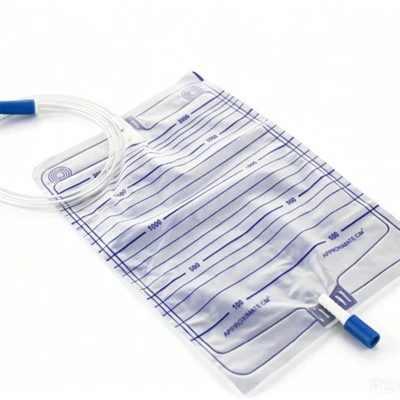
First, let’s get one thing straight: disposable sterile syringes aren’t just plastic and a needle (well, usually—some specialized ones have luer locks or pre-attached needles for specific uses). They’re Class II medical devices in the U.S. Food and Drug Administration (FDA) classification system, which means they have a moderate risk of harm if used incorrectly or improperly. For any Class II device, manufacturers are required to set an expiration date, and that date isn’t just a random number we pick to move inventory faster. It’s rooted in rigorous testing we run before we ever put a syringe on the market.
Back in 2011, when I launched my first small syringe supply operation out of a rented warehouse in suburban Ohio, I had a lot to learn. Our first batch of 1mL insulin syringes came back from our third-party testing lab with a note that we should set the expiration date at two years from the manufacturing date. I questioned it—we’d had a few batches that looked flawless at 18 months, so why not push it to three? The lab rep pulled out a folder full of data and explained that expiration dates for sterile medical devices are determined by two core factors: sterility and functional integrity. Sterility is non-negotiable, especially for syringes, which are used to inject medication directly into the bloodstream, muscle, or skin—ways that pathogens can enter the body and cause serious infection. Functional integrity means the syringe still works as intended: the plunger moves smoothly, there’s no leak in the barrel or seal, the luer lock (the part that connects to a needle or medication vial) doesn’t loosen, and the needle (if pre-attached) stays secured.
For our syringes, we run accelerated aging testing first to narrow down the maximum timeframe we can test. Accelerated aging uses high temperatures and humidity to speed up the chemical and physical breakdown of materials—polypropylene for barrels, stainless steel for needles, rubber for plunger gaskets—so we don’t have to wait three years for real-time data. Once we have a rough estimate, we test samples at 12, 18, 24, and even 30 months to verify sterility and function. We use a method called bioburden testing: we swab the inside of the syringe barrel and test for viable microbes, and we use steam sterilization (the same method used for hospital surgical tools) to confirm that all microbes are eliminated before sealing. For sterile syringes, we also package them in peelable blister packs with a moisture barrier and a chemical indicator strip that changes color when the pack is properly sterilized. At the end of our testing, if at 24 months every single sample meets FDA requirements for sterility and function, we set the expiration date at two years from manufacturing. If we’d tried to push it to three years, we would have found that some plunger gaskets started to degrade, leading to leaks, or that the chemical indicator strip stopped working as intended—both dealbreakers.
But here’s where most of the confusion comes in: expiration dates aren’t “use by or you’ll get sick” dates. They’re labeled “sterile until” dates, which means the manufacturer guarantees sterility and functionality only if the product is stored and handled correctly. I see this play out all the time with our clients. Last year, a small clinic in rural Georgia contacted us saying they had a batch of 5mL syringes that were three months past their expiration date and wanted to know if they could still use them. I pulled up their order history and saw that they’d stored the syringes in a broken supply closet that got damp during a leaky roof last winter. When I asked their office manager to check the blister packs, she said a few of them were foggy on the inside, a clear sign that moisture had seeped in and compromised sterility. That batch was unsafe, even though it was only slightly past the labeled date. On the flip side, I had a pharmacy owner in Texas call me last year asking if he could keep syringes for two months past their expiration date because his order was delayed and he was facing a shortage. He’d stored his syringes in a cool, dry medication cabinet, away from direct sunlight and extreme temperatures, and when I checked our testing data, those syringes had a three-year shelf life if stored properly—so two months past was totally fine, as long as the blister packs weren’t torn or damaged.
The FDA’s guidelines for medical device expiration dates are clear: manufacturers set the date based on real-time testing, and that date is only valid if the device is stored per the manufacturer’s instructions. For our syringes, that means storing them in a temperature-controlled environment between 15°C (59°F) and 30°C (86°F), away from direct sunlight and excessive moisture. You should never store syringes in a car trunk, a bathroom medicine cabinet (where humidity is high), or a shed—those environments can break down plastic, degrade seals, and compromise sterility long before the expiration date.
Another common myth I hear is that expired sterile syringes are just “less effective” or don’t work as well. That’s not always true for the functionality, but the sterility risk is the big issue. If a syringes’ blister pack is intact, not torn, not foggy, and not past the expiration date, it’s sterile. If it’s past the date, even if it looks fine, there’s no way to confirm sterility without specialized lab testing—something individual clinics or pharmacies don’t have the capacity to do. We’ve seen data from independent studies that show sterile syringes can remain sterile for much longer than labeled if stored correctly, but the FDA requires manufacturers to set a date that accounts for the worst-case storage scenario, not the ideal one. That’s why we don’t just set a two-year date for no reason—we set it knowing that some clients might store syringes in less than perfect conditions, and we have to guarantee safety even for those cases.
I also want to touch on specialty syringes, because they have different expiration dates. We make a line of pre-filled syringes for insulin and other injectable medications, for example. Those have two dates: the expiration date for the syringe itself, and a separate expiration date for the medication inside. We set the syringe’s expiration date at three years for pre-filled syringes, because the medication manufacturer runs additional testing to make sure the drug remains stable, and the syringe’s seal is designed to hold the medication without degradation. But even then, we require clients to store pre-filled syringes in a refrigerator for most medications, which affects that timeline.
Over the years, I’ve worked hard to be transparent with our clients about expiration dates. We don’t hide our testing data, we don’t pressure anyone to buy newer batches just for the sake of turnover, and we make it a point to include clear storage instructions on every package and in every invoice. Last quarter, we rolled out a new batch tracking system that lets every client look up exactly when their order was manufactured, tested, and when it expires—something I wish we had back when I first started. That transparency has built a lot of trust with our long-term clients, who know they can rely on us for accurate, honest information instead of marketing buzzwords.
So, what’s the takeaway for anyone reading this, whether you’re a healthcare provider, a caregiver, or someone who uses syringes at home? First, always check the expiration date on your syringe packaging before use. Second, inspect the blister pack: if it’s torn, punctured, foggy, or if the chemical indicator strip isn’t the correct color, throw that syringe away. Third, store your syringes as directed—cool, dry, out of direct sun. Fourth, if you have syringes past their expiration date and want to know if they’re safe, don’t guess: check with your supplier or a medical device safety expert, don’t use them unless you can confirm they’re still sterile and functional.
As a disposable sterile syringe supplier, our number one priority is patient safety. We’ve been in the industry long enough to know that cutting corners on expiration dates isn’t worth the risk—one case of a bloodstream infection from a contaminated syringe can ruin a clinic, hurt patients, and erode trust in the entire medical supply chain. That’s why we invest in rigorous testing, transparent labeling, and ongoing support for our clients to make sure they have all the information they need to use our products safely.
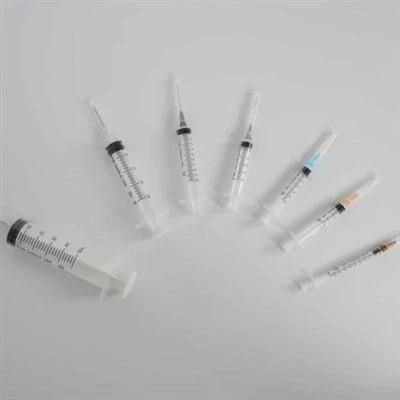
If you’re a healthcare provider, pharmacy owner, or facility manager looking for a reliable syringe supplier that prioritizes safety and transparency, we’re here to help. We work with clients of all sizes, from small independent pharmacies to large hospital systems, and we can provide custom solutions for your specific needs. Don’t hesitate to reach out to our team to discuss your requirements, ask questions about expiration dates or testing, or place an order. We’re always here to help.
Disposable Sterile Insulin Syringe References
U.S. Food and Drug Administration. (2023). Class II Medical Devices: Sterile Syringes. Center for Devices and Radiological Health.
ISO 11607-1:2019. Packaging for Terminally Sterilized Medical Devices – Part 1: Requirements for Materials, Sterile Barrier Systems and Packaging Systems. International Organization for Standardization.
Association for the Advancement of Medical Instrumentation. (2022). Sterile Medical Device Expiration Dating Guidelines. AAMI Press.
Shandong Zhushi Pharmaceutical Group Co., Ltd.
Shandong Zhushi Pharmaceutical Group Co., Ltd. is one of the most reliable disposable sterile syringe manufacturers and suppliers in China, featured by quality products and good price. Welcome to wholesale CE approved disposable sterile syringe made in China here from our factory. Contact us for customized service and pricelist.
Address: No 6th food and drug industry park economic and technological development zone, shan county 274300 Heze, Shandong PEOPLE’S REPUBLIC OF CHINA
E-mail: admin@cnzhushigroup.cn
WebSite: https://www.zhushimed.com/
