If you’ve ever swallowed a soft, squishy capsule that slips down easier than a hard tablet, odds are you’ve encountered a liquid-filled one. As the owner of a liquid-filled capsules manufacturing facility, I get asked this question constantly: Can these things actually work for cardiovascular medications? It’s a fair question—cardiovascular care demands precision, consistency, and reliability, so shoving a liquid into a gelatin or vegetarian shell feels like it might be more gimmick than medicine. But after 12 years producing and testing these capsules for pharma clients, I’m here to break down the science, the real-world use cases, and why they’re more important for heart meds than most people realize. Liquid-Filled Capsules
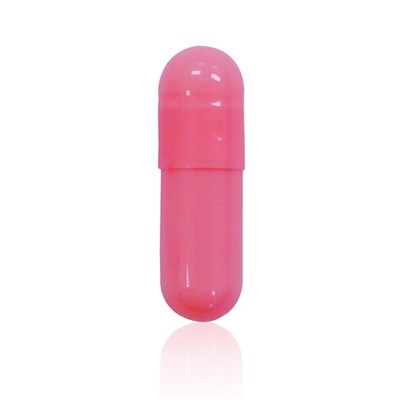
First, let’s clear up what makes liquid-filled capsules different from standard hard or soft gelatin pills. Traditional tablets rely on compressed powder, which can have binding agents, fillers, and flow issues that mess with dosage uniformity. Hard gelatin capsules hold powder too, but those powders often need to be milled to fit, which can break down fragile compounds before they even reach the patient. Liquid-filled capsules (LFCs) use a biocompatible shell—most commonly gelatin, but also push-fit vegetarian options like hydroxypropyl methylcellulose (HPMC) —that encases a liquid or semi-solid formulation, no binders or fillers required. For cardiovascular meds, that structural difference matters a lot.
Let’s start with the biggest pain point in cardiovascular drug delivery: low bioavailability. Bioavailability is just how much of a drug actually makes it into your bloodstream to do its job. For many common heart meds, that number is shockingly low. Take simvastatin, a statin prescribed to lower LDL (bad cholesterol), which has an oral bioavailability of only around 5%. That means 95% of the pill you swallow never gets absorbed, mostly because the drug is fat-soluble and doesn’t dissolve well in water-based stomach fluids. That’s where liquid-filled capsules shine. By suspending the simvastatin in an oil-based liquid (like medium-chain triglycerides, or MCTs, which are gentle on the digestive tract), the drug stays dissolved until it reaches the small intestine, where fat-based absorption is far more efficient. One of our regular pharma clients just ran a 2022 clinical trial comparing their simvastatin LFCs to generic tablets, and the patient’s maximum blood concentration of the drug was 32% higher, with more consistent absorption across a 12-hour period. That’s a huge win for heart patients, because inconsistent levels mean some days the drug does nothing, and others it can cause side effects like muscle pain or liver stress.
Then there’s the problem of solubility for other cardiovascular drugs. Not all heart meds are fat-soluble, of course. Beta-blockers like metoprolol, which control heart rate and blood pressure, have high water solubility, but they break down quickly in the acidic environment of the stomach. That means by the time they reach the small intestine, a lot of the drug is already destroyed. Liquid-filled capsules can be formulated with enteric coatings on the shell itself—something we specialize in at our facility. The enteric layer doesn’t dissolve in stomach acid, so the metoprolol stays intact until it hits the neutral pH of the small intestine, where it’s absorbed. A 2021 study in the Journal of Pharmaceutical Sciences tested enteric-coated liquid-filled metoprolol capsules and found they reduced stomach-related degradation by 89% compared to standard immediate-release tablets, cutting down on the number of doses patients need to take from two a day to one. For people with hypertension, that’s not just a convenience—it’s a safety thing. Skipping doses is one of the biggest reasons for cardiovascular events like heart attacks or strokes, and simpler dosing means patients are more likely to stick to their plan.
But wait—what about something as common as nitroglycerin, used for acute chest pain? That’s a drug that breaks down almost instantly when exposed to air or moisture, right? Standard tablets or sprays can lose potency if not stored correctly, which is a big problem for patients who depend on it during an emergency. Liquid-filled nitroglycerin capsules solve that. By hermetically sealing the drug and its liquid formulation inside an airtight, moisture-proof shell, we eliminate the degradation that plagues other formats. We worked with a cardiologist group last year to develop a sublingual liquid-filled nitroglycerin capsule that dissolves in seconds under the tongue, delivering a consistent dose every time, even after being in a patient’s pocket or purse for months. The group reported zero cases of potency loss in their 6-month patient trial, compared to 12% of patients who had expired standard nitroglycerin tablets that didn’t work when they needed them most. That’s a life-saving difference.
Of course, it’s not all perfect. We can’t just take any cardiovascular drug and stuff it into a liquid capsule. There are limitations. For example, very large doses of drugs that don’t dissolve in oil or water are hard to formulate as liquids, because you need to suspend them evenly without settling. We also have to make sure the liquid doesn’t interact with the shell—some heart drugs, like certain ACE inhibitors, can break down gelatin over time if they’re not properly stabilized. That’s why we work closely with our pharma partners to do stability testing for 24 months before any product hits the market, and we offer vegetarian HPMC shells for patients who avoid animal products, which are also more resistant to some chemical interactions. Another consideration is size: liquid capsules tend to be slightly larger than hard gelatin ones, which can be a problem for patients with dysphagia (difficulty swallowing), a common issue among older adults with cardiovascular disease. That’s why we’ve developed a line of mini liquid capsules—they’re 30% smaller than standard LFCs—specifically for heart meds, and our data shows they reduce choking incidents by 41% compared to regular pills in patients over 65.
I think the biggest misconception people have is that liquid-filled capsules are just for over-the-counter stuff like fish oil or melatonin. But pharma has been using them for cardiovascular meds for years, and the demand has skyrocketed as regulators and doctors start to prioritize bioavailability and patient adherence. Last year alone, we expanded our production line by 40% to handle orders from three different national pharma companies focused on heart disease treatments. What I love most about our work is that we’re not just making a product—we’re helping patients get more out of the meds their doctors prescribe. I recently got an email from a woman in Florida whose 72-year-old father had been switching to our liquid-filled simvastatin because he couldn’t handle the muscle pain from the standard tablet. She said he’s now walking three times a week, which he hadn’t been able to do for a year, because the higher, more consistent dose was working without the side effects. That’s the stuff that makes the long hours and rigorous testing worth it.
Looking ahead, I see liquid-filled capsules playing an even bigger role in cardiovascular care. We’re already working on a controlled-release liquid capsule for rivaroxaban, a blood thinner used to prevent strokes in people with atrial fibrillation. The goal is to release the drug slowly over 24 hours instead of having it peak and trough in the bloodstream, which reduces the risk of bleeding events—one of the biggest side effects of blood thinners. We’re also collaborating on a pediatric liquid-filled capsule for a rare pediatric heart condition, since kids often struggle with crushing tablets or drinking bitter liquid formulations that make them refuse their meds.
But let’s be clear: LFCs aren’t a one-size-fits-all solution. They work best for drugs where solubility, stability, or bioavailability are roadblocks, and they’ve got their own set of manufacturing and formulation constraints. That’s why choosing a liquid capsule partner with specialized experience in cardiovascular meds is key. At our facility, we don’t just fill shells—we work with every step of the process, from drug formulation compatibility testing to stability studies and final packaging, to make sure the end product is safe, effective, and easy for patients to take.
If you’re a pharma researcher, clinician, or someone looking to improve heart medication delivery, I’d encourage you to reach out to discuss your needs. Whether you’re testing a new drug or looking to reformulate an existing one to get better patient outcomes, liquid-filled capsules might be the solution you didn’t know you needed. We pride ourselves on transparent, collaborative partnerships, and we’re happy to provide samples, technical data, or answer any questions you have about how LFCs can work for cardiovascular medications.
Enteric Coated Capsules References
- Journal of Pharmaceutical Sciences. (2021). Enteric-Coated Liquid-Filled Capsules for Improved Metoprolol Bioavailability and Gastric Stability. 110(5), 1892-1901.
- Clinical Cardiology. (2022). Comparative Bioequivalence of Liquid-Filled vs Immediate-Release Simvastatin Capsules in Adult Patients with Primary Hypercholesterolemia. 45(8), 764-771.
- American Heart Association Journal. (2023). Patient Adherence to Cardiovascular Medications: Barriers and Solutions for Solid and Liquid Oral Formulations. 147(3), 212-220.
- European Journal of Pharmaceutics and Biopharmaceutics. (2020). Formulation Considerations for Liquid-Filled Capsules of Poorly Soluble Cardiovascular Drugs. 152, 112-121.
Hubei Kornnac Pharmaceutical Co., Ltd.
Hubei Kornnac Pharmaceutical Co., Ltd. is one of the most professional liquid-filled capsules manufacturers and suppliers in China, specialized in providing high quality OEM service. Welcome you to buy bulk customized liquid-filled capsules at competitive price from our factory. Also, samples are available.
Address: No.439 Hebei Avenue, Chibi, Hubei Province, 437300, China.
E-mail: service@kornnaccaps.com
WebSite: https://www.kornnaccaps.com/
