If you’re in the market for bulk bismuth products—whether for electronics, pharmaceuticals, metallurgy, or specialty chemical applications—navigating where to source reliable, high-quality materials can feel overwhelming. As a bismuth products supplier with years of experience serving small manufacturers and industrial conglomerates alike, I’ve spent countless hours talking to buyers who’ve run into common pitfalls: substandard purity, long lead times, hidden fees, or suppliers that can’t adjust order sizes when production needs shift. Today, I’m breaking down the most trustworthy places to buy bulk bismuth products, the questions to ask before you commit, and why working with a reputable, industry-focused supplier makes all the difference. Bismuth Products
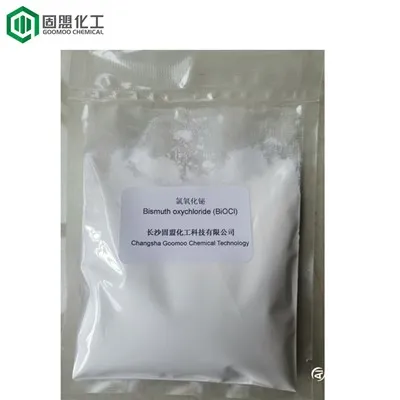
First, let’s clarify what “bulk bismuth products” typically means for industrial buyers. Bulk orders can range from 50-pound ingots and powdered bismuth for chemical processing to custom-sized bismuth rods, flakes, or alloys mixed with other metals like tin or lead for specific applications. Bismuth is unique: it’s a low-toxicity alternative to lead, used in everything from fire sprinkler systems and cosmetic pigments to nuclear reactor coolants and pharmaceutical excipients. For many buyers, the stakes are high—impurities in bismuth can ruin a finished product, so sourcing from a reliable provider isn’t just a convenience, it’s a requirement.
One of the most straightforward starting points is specialized industrial chemical and metal suppliers that focus exclusively on bismuth and related elements. You might be tempted to turn to general metal suppliers that carry bismuth as an afterthought, but these often lack the expertise to test for purity levels or adjust products to meet niche needs. For example, I’ve had customers come to us after purchasing bulk bismuth from a general supplier who received a batch with trace amounts of arsenic, rendering it unfit for pharmaceutical use. Specialized bismuth suppliers, on the other hand, maintain in-house quality control protocols, test every batch against industry standards (like ASTM standards for bismuth ingots), and can explain the nuances of each product—whether you need 99.99% pure bismuth for electronics or a lower-purity alloy for foundry work.
What sets these specialized suppliers apart? For one, they stock a full range of bulk bismuth forms, so you don’t have to coordinate between multiple vendors to get everything you need. We, for instance, carry bismuth ingots (perfect for casting and metallurgy), atomized bismuth powder (ideal for chemical reactions and 3D printing), bismuth subcarbonate and bismuth subnitrate (the two most common pharmaceutical-grade bismuth compounds), and custom-blended bismuth alloys tailored to specific temperature or corrosion resistance needs. Another key benefit is flexibility: specialized suppliers often cater to buyers across order sizes, too. A small lab needing 100 pounds of research-grade bismuth can work with the same company that ships 10,000-pound bulk orders to a global manufacturing plant, whereas general suppliers might push for larger minimums that don’t make sense for smaller operations.
Next, don’t overlook trade platforms that cater specifically to industrial raw materials, as long as you vet the sellers thoroughly. Platforms tailored for B2B bulk purchases, not general consumer marketplaces, often feature verified suppliers, detailed product specifications, and user reviews from other industrial buyers. But here’s the catch: not every seller on these platforms is a reputable bismuth manufacturer or direct supplier. Many are middlemen, and while that’s not inherently bad, middlemen often mark up prices without adding value, and you’ll have less control over quality checks. I’ve seen buyers saved a few dollars upfront on a platform only to receive a bulk shipment of bismuth that failed purity tests, costing them thousands in reworked parts or lost production time. If you go this route, look for sellers that list physical bismuth production facilities, third-party quality certifications, and clear policies for batch testing before shipment. Most reputable industrial platform sellers will also share a Certificate of Analysis (CoA) for every batch, which is non-negotiable for bulk industrial purchases.
Another option is direct from bismuth mining and refining facilities, though this is usually best for large-scale, long-term contracts rather than one-off bulk orders. Bismuth is most often a byproduct of lead, copper, or tin mining, so many primary refining companies extract bismuth as a secondary material and offer bulk sales to end users. The upside here is that you’re cutting out all middlemen, which can lead to lower prices, and you’ll get transparency into the entire production process from ore to finished product. The downside is that most refiners require minimum order quantities that are well above what small to mid-sized businesses can handle—often 50,000 pounds or more, and they rarely accommodate custom order sizes or small, urgent shipments. For buyers with consistent, high-volume bismuth needs, this is a strong option, but if you’re ordering a few thousand pounds for a seasonal project or a new product launch, it’s probably not practical.
Now, let’s talk about what to avoid when sourcing bulk bismuth. First, skip any supplier that can’t provide a CoA or proof of purity testing. Bismuth’s value lies in its purity—even 0.1% impurity can be a dealbreaker for applications like pharmaceutical coatings or semiconductors. I’ve had a customer in the cosmetic industry share that a $0.50 per pound discount on a bulk bismuth powder ended up costing them $12,000 when trace heavy metals caused a product recall. Second, watch for suppliers with hidden fees. Some lowball their base price but add steep charges for shipping, packaging for hazardous materials (yes, bismuth is classified as non-hazardous for transport, but some suppliers overcharge for logistics), or rush orders. Reputable suppliers will list all fees upfront, including delivery times and insurance, in their quotes. Third, avoid suppliers with no experience in your specific industry. If you’re buying bulk bismuth for nuclear applications, a supplier that mostly works with foundries might not understand the unique purity requirements and storage needs for your product.
Working with a bismuth products supplier that’s rooted in the industry also means you get access to expertise beyond just selling product. For example, a good supplier can help you adjust your product formulation if your bulk bismuth isn’t performing as expected, or suggest a more cost-effective bismuth alloy that meets your performance needs. Last year, a customer in the fire safety industry came to us using a bismuth-tin alloy that was too brittle for their fire sprinkler components. We worked with our lab team to adjust the blend, cutting their material cost by 12% while improving the product’s durability. That’s the kind of value you don’t get from a generic metal seller.
If you’re ready to source bulk bismuth products, take the time to ask the right questions before finalizing an order. First, confirm the purity level you need and ask for a sample or CoA for a recent batch before shipping a large order. Second, clarify minimum order quantities, lead times, and delivery costs. Third, ask about their quality control process—do they test every batch, or only random samples? Do they offer returns if the product doesn’t meet specifications? For most industrial buyers, the best balance of quality, flexibility, and cost comes from a specialized bismuth supplier that works with a range of order sizes and industries.

At the end of the day, sourcing bulk bismuth products doesn’t have to be a stressful process. By choosing a supplier that prioritizes transparency, quality, and industry expertise, you’ll avoid costly mistakes and ensure your materials are reliable for your production. Whether you’re a small startup testing a new bismuth-based product or a large manufacturer needing consistent, high-volume shipments, a reputable bismuth supplier can be a long-term partner that helps your operations run smoothly. If you’re looking to discuss your bulk bismuth needs, connect with us directly to explore product options, order sizes, and custom solutions tailored to your project.
Bismuth Hydroxide References:
- ASTM International. Standard Specification for Bismuth Ingot.
- U.S. Environmental Protection Agency. Toxicological Review of Bismuth and Compounds.
- Industrial Minerals Association North America. Bismuth Industry Profile.
- National Institute for Occupational Safety and Health. Occupational Safety and Health Guidance for Bismuth.
- Journal of Materials Science. Properties and Applications of Bismuth-Based Alloys.
Changsha Goomoo Chemical Technology Co., Ltd.
With abundant experience, we are one of the most reliable bismuth products manufacturers and suppliers in China. We warmly welcome you to buy customized bismuth products made in China here from our factory. If you have any enquiry about free sample, please feel free to email us.
Address: No.61,Jinma Road,Kaifu District Changsha 41005,Hunan,P.R.China
E-mail: allen@goomoochina.com
WebSite: https://www.gumchem.com/
