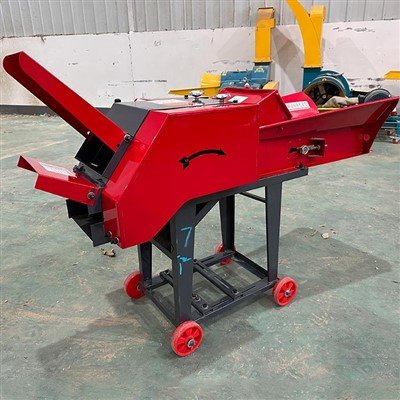
Hey folks, let’s cut to the chase: if you’re here, your forage pulper is clogged, and you’re probably staring at a pile of mushy, half-processed forage wondering how you’ll get your feed prep back on track without ditching the machine and starting over. I’m a forage pulper supplier who’s spent way too many late nights walking farmers and feed mill techs through this exact mess—so trust me, I’m not gonna feed you generic “unplug the machine” fluff. This is the stuff we actually field-test on our own demo units and hear about every single week. Forage Pulper

First, let’s get one thing straight: clogs aren’t random. They almost always happen for a reason, and skipping the root cause check will just mean you’re unclogging the same pulper again next month. I’ve seen folks yank the rotor out first thing when a clog hits, only to miss a chunk of plastic twine wrapped around the drive shaft that’s been slowing things down for weeks. Don’t be that person.
Step 1: Safety first—seriously, don’t skip this. I know you’re swamped, but a spinning rotor at 1,800 RPM doesn’t care if you’re in a hurry. Lock out the power (pull the breaker, y’all—don’t just hit the “off” button on the control panel, that’s how hands go missing), and if your pulper has a hopper guard, prop it open with a sturdy stick so it doesn’t swing down mid-work. I’ve had a tech get smacked in the shoulder by a loose guard last quarter—total avoidable.
Now, let’s diagnose the clog’s type, because that changes everything. Most clogs fall into two buckets: wet, matted clogs or stringy, wrap-around clogs. Wet ones happen when someone dumps way too much wet hay or silage into the hopper at once, and it packs into the screen holes like a sponge. Stringy clogs are the evil ones: bits of twine, baler net wrap, or even stray hay bale ties that get pulled into the rotor and wind around it like a spool, catching more forage until the whole unit locks up. Let’s tackle both, but start with the easiest, least destructive method first—no hammering on your screen unless you have to.
For stringy wrap clogs (the most common headache): First, pull the drive belt loose so the rotor doesn’t spin by accident while you’re yanking stuff out. Don’t yank on the stringy bits with your bare hands—use a pair of heavy bolt cutters or a hooked bar (the kind we sell as an optional tool kit for this exact job). Reach in through the discharge chute and the top of the hopper, grab the twine/net wrap, and pull slow, not hard. If it’s wrapped super tight around the rotor tines, don’t force it—you’ll bend the tines, which makes the clog worse later. We keep a 3-foot metal hook on all our demo trucks for this; it’s way easier than fumbling with gloves. Once you get the big chunk of wrap out, don’t stop there. Run a flashlight along the drive shaft and the inside of the hopper—tiny bits of twine get caught in corners you can’t see, and those will build up into a new clog in 2 feed runs. I once had a farmer who spent 10 minutes yanking a big wrap chunk out, then missed a 2-inch piece of net that locked his pulper 3 days later. Oops.
For wet, matted clogs: These are the ones where the rotor’s spinning but nothing’s coming out the discharge, and you can hear a low, throaty grind. First, turn the pulper on (but keep power locked out, wait no—wait, no, for wet clogs, if you can get power safely, you can try a slow reverse spin? Wait, no—let me correct that: don’t do reverse without checking your manual, but most modern pulpers have a “slow reverse” setting for unclogging wet mucks. If you don’t have that, don’t force it. Instead, scoop out the loose forage from the top of the hopper first—don’t dig into the packed part with a shovel, you’ll push it further into the screen. Grab a garden fork (not a sharp pitchfork, that’ll puncture the screen) and gently fluff the top layer until you can see the compacted mass. Once you’ve got most of the loose stuff out, spray a little warm water into the hopper—wait, not a hose on full blast! A light mist, enough to loosen the matted forage without turning it into soup. Let it sit for 5 minutes, then use the fork to pull small sections of the muck out, working from the top down. If the screen is partially blocked, don’t scrub it hard with a wire brush—we sell soft nylon brushes for this, because metal brushes can scratch the screen and make small holes that catch more forage over time.
Wait, here’s a pro tip I only learned after 5 years of fixing clogs: after you unclog, do a quick “test run” with a small load of dry straw before throwing your regular feed mix in. Run it for 2 minutes, check the discharge, and if it’s moving smoothly, you’re good to go. If not, you missed a tiny bit of wrap or a clogged screen hole. I can’t tell you how many times a farmer unclogs, dumps 2 tons of hay in, and clogs again because they skipped the test run.
Now, how to avoid clogs in the first place, because let’s be real—fixing them sucks, preventing them is way easier. First, pre-sort your forage. That means yanking any twine, net wrap, or plastic bits out before you dump it in the hopper. I know, I know—baling with net wrap is faster, but that extra 10 minutes of sorting saves you 2 hours of unclogging later. Second, don’t overfeed the hopper. Most folks think “more forage = faster prep,” but packing too much in at once makes the rotor work way too hard, and it can’t process the forage fast enough, leading to clogs. Aim for a hopper load that’s half full, not overflowing. Third, clean your screen every 50 hours of use. Even if it looks clear, tiny bits of wet forage can clog the screen holes, which slows down processing and leads to back-ups. We sell our clients a quick screen cleaning brush that fits right in the discharge chute, so you can do it while the pulper’s running (just make sure power’s locked out first, obvi).
Now, if you’ve tried all this and your pulper still clogs? Don’t worry, that’s not your fault—sometimes it’s a worn rotor or a screen that’s the wrong size for your forage mix. That’s when you should hit us up to chat through your setup. We work with all types of farms, from small family operations to big commercial feed mills, so we can help you tweak your setup, swap out worn parts, or even upgrade to a pulper that’s built for the forage you’re working with. No sales pitches, no pushy calls—just real advice, since we’re in the same boat as you, dealing with clogged machines and tight deadlines.
At the end of the day, clogs are just part of working with forage, but you don’t have to deal with them every week. Take the 10 extra minutes to sort your forage, do a quick root cause check when it clogs, and hit us up if you need help figuring out why it’s happening. That’s what we’re here for.
Feed Pellet Mill References
- USDA Agricultural Research Service. (2022). Forage Processing Equipment Maintenance and Troubleshooting Guide.
- International Feed Industry Federation. (2021). Common Clog Issues in Forage Pulpers: Prevention and Resolution.
- Manufacturer’s Service Manual: Mid-Range Forage Pulper Models, 2023 Edition.
Zhengzhou Xinyihaotong Machinery Manufacturing Co., Ltd.
As one of the most professional forage pulper manufacturers in China, we also support custom service. We warmly welcome you to buy high quality forage pulper for sale here from our factory. For price consultation, contact us.
Address: Rooms 2301–2312, Jiayi Building, Xinxiang City, Henan Province, China
E-mail: zhaoyixuan5566@gmail.com
WebSite: https://www.xyhtmachinery.com/
