Hey everyone, it’s Jake here, from the team that builds and services tunnel drilling rigs. I get a ton of messages lately: “Our old rig keeps breaking mid-bore, the controls are stuck in 2005, can we upgrade it instead of buying new?” Spoiler—you almost always should. New rigs cost millions, and a good control upgrade can add 5-10 years of life to your existing machine, not to mention make your crew’s jobs way easier and your projects way more on schedule. Let me walk you through how we do it for our clients, step by step, no jargon, no fine print. Tunnel Drilling Rig
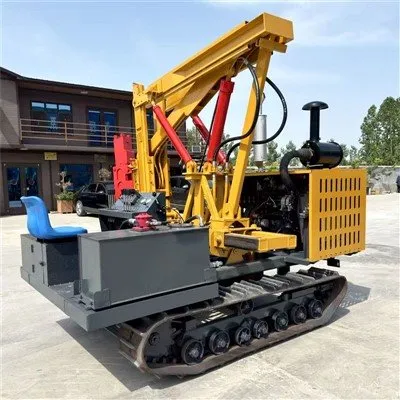
First, let’s cut to why you’d even bother with an upgrade. If your rig’s controls work but are clunky—you’re fumbling for levers when you need precise drilling, you can’t save your favorite hole patterns, or the diagnostic screen blinks random codes that your old mechanic doesn’t recognize—this is your sign. We had a client last year, a mid-sized mining operation in Utah, whose 12-year-old rig was causing so many delays because the drill operator was wearing out his shoulders from wrestling the manual hydraulic controls. After upgrading, he told me he finished a 2-week bore in 5 days, no injuries, and the sample accuracy was way tighter. That’s the win we’re after here: less downtime, safer crew, more work done right.
Now, let’s get into the actual upgrade steps, because you can’t just yank out old parts and plug in new ones. First step: do a full rig audit before you touch anything. We never skip this. You need to know what your rig actually has under the hood, not just what the sales sheet said 10 years ago. For example, some old rigs have hydraulic pumps that are 200GPM, some are 150GPM; if you slap a new control system for 250GPM on a 150GPM pump, it’ll cause leaks or burnt motors in no time. The audit checks three main things: hydraulic system specs, current wiring health, and your crew’s actual daily pain points. We bring in a senior tech for a day to run diagnostics, talk to the drill operator and maintenance lead, and jot down everything—no assumptions. Last month, a client mentioned their main problem was misalignment when drilling through fractured rock, so we adjusted the upgrade to include real-time angle tracking instead of just generic depth gauges. That’s why the audit matters: it’s not a one-size-fits-all upgrade.
Next, pick the right control platform, not just the shiniest one. There are two main types of upgrades we offer, depending on your rig’s age and budget. First, a “hybrid upgrade” for rigs that are 5-15 years old: this keeps your existing hydraulic components (pumps, rams, motors) but replaces the manual levers and old control box with a touchscreen-based electronic system. It’s cheaper (usually 30-40% of a full replacement) and way easier to install—we can do it in 3-5 days, usually during a planned downtime. The touchscreen lets operators program 10+ custom drilling patterns, see real-time depth, angle, and pressure, and even get alerts if something’s off (like low hydraulic fluid or a drill bit wearing thin). We had a client in Colorado do this for a 10-year-old road header, and their downtime from control-related issues dropped by 75% in the first 3 months. The second type is a “full digital upgrade” for older rigs (15+ years) where parts are getting impossible to source. This swaps out not just controls, but also replaces old analog sensors with digital ones, and adds a telemetry module that lets you monitor the rig from the office. You can track how many hours each drill bit is used, get maintenance reminders before a part breaks, and even adjust drilling parameters remotely if there’s an unexpected rock layer. Yeah, it’s pricier, but for rigs that are still working hard but have hard-to-find parts, it’s a lifesaver. A word of warning here: don’t go for cheap off-brand control systems. We’ve seen clients save a couple grand on a no-name system, only to have it glitch mid-bore and cost them $50k in delayed project fees. Stick to systems designed specifically for tunnel drilling rigs, not generic construction equipment—they have to handle way more vibration, dust, and harsh underground conditions.
Once you pick the platform, it’s installation time. This part’s all about minimizing downtime, which we know is huge for construction and mining crews. Our techs always come prepared with pre-wired harnesses pre-tested in our shop, so we don’t have to splice wires on-site (that’s where mistakes happen). We also work around your shift schedule—most installations are done during non-working hours, like nights or weekends, so your crew is back up and running first thing Monday morning. We test every single function before we leave: drill a test hole, adjust a pattern, check the diagnostic alerts, run through emergency stop protocols (super important, you don’t want a control failure during a critical moment). We also do a full training session with your operators and maintenance team. A lot of guys who’ve been using manual controls for 20 years hate touchscreens at first, so we make it casual: 2 hours of one-on-one practice, plus a cheat sheet taped to the control box, and 24/7 support for the first month after installation. Last year, an operator in West Virginia told me he thought the touchscreen would be too complicated, but he was drilling a perfect hole on his third day. Small wins like that make it worth it.
Now, the post-upgrade part, because an upgrade doesn’t end when we pull out the tools. We do quarterly check-ins for the first year to make sure everything’s working, answer any questions, and adjust settings if needed. For example, a mine in Arizona had us tweak the pressure thresholds because they were drilling through extra-hard granite, so the control system’s alerts were going off too early. No extra cost, that’s part of the service. We also keep a stock of spare parts for every upgrade we do, so if something breaks (which it rarely does, but things happen), we can ship it out next-day anywhere. And here’s a pro tip we learned: after the upgrade, have your maintenance team switch from reactive repairs to preventive based on the system’s data. The telemetry module tracks how many hours a drill bit is used, so you don’t just replace it when it breaks—you replace it right before it fails, saving you from mid-bore shutdowns. A client in Canada did this, and their drill bit costs dropped by 20% in 6 months, plus no more emergency replacements that cost double.
Wait, let’s be real—we’ve had clients ask, “Can’t I just do this myself?” Maybe if you’re an electrical engineer with experience in heavy construction, but 9 times out of 10, no. The wiring in old tunnel rigs is run through tight, dusty spaces, and the control system has to sync perfectly with the hydraulic system to avoid leaks or damage. We’ve had a client who tried a DIY upgrade, and ended up blowing a hydraulic motor because they miscalibrated the pressure settings, costing them $12k. It’s not worth the risk. Working with a specialized tunnel rig supplier means you get upgrades built for your exact machine, not something you found on Amazon.
So who is this upgrade for? If your rig is less than 10 years old, has working hydraulic components, and your crew is fighting with clunky controls—hybrid upgrade, easy. If your rig is 10+ years old, parts are hard to get, or you need telemetry for remote monitoring—full digital upgrade, go for that. If you have a brand new rig? Maybe wait, but even some new ones can get upgraded with better safety features a year or two down the line, it’s not off the table.
I know this all sounds like a lot, but at the end of the day, upgrading your control system isn’t just about technology—it’s about keeping your crew safe and your projects on time. We’ve seen rigs that were written off because of control issues become some of the most productive in their fleet after an upgrade. If you’re sitting there thinking, “This sounds like exactly what we need,” hit us up to talk. No sales pitch, no pressure, just us walking through your specific rig, your pain points, and what upgrade makes the most sense for you. We’ll even bring the audit team out for free to check your rig, no strings attached.

At the end of the day, tunnel drilling is tough work. You don’t need extra headaches from old controls holding you back. Upgrading gives you the best of both worlds: the life of your old rig, with the efficiency and safety of new tech. That’s the win we’re all chasing.
Solar Pile Driver References
- Heavy Construction Association. (2022). Control System Upgrades for Aging Heavy Equipment: Operational Efficiency and Safety Impacts. HCA Technical Report Series.
- International Society of Mine Safety Professionals. (2023). Ergonomic Improvements in Drilling Rigs: Reducing Operator Fatigue and Injury. ISMSP Journal of Safety and Health.
- Tunnel Contractors Association. (2021). Preventive Maintenance Strategies for Upgraded Control Systems in Underground Drilling. TCA Maintenance Best Practices Guide.
- American Institute of Steel Construction. (2022). Hydraulic System Compatibility for Control Upgrades in Heavy Construction Equipment. AISC Equipment Engineering Bulletin.
Jining Tongzhao Machinery Co., Ltd.
Jining Tongzhao Machinery Co., Ltd. is one of the most professional tunnel drilling rig manufacturers and suppliers in China, also supports customized service with low price. Please feel free to wholesale advanced tunnel drilling rig for sale here from our factory. Contact us for pricelist.
Address: 160 meters north of Hongxiang Road, east of Jiamei Road, Jining Economic Development Zone
E-mail: 13668674521@163.com
WebSite: https://www.cntzmachine.com/
