If you’ve ever shipped a last-minute replacement part for a manufacturing line, a high-value medical device for emergency surgery, or a batch of perishable pharmaceuticals that can’t wait a week for ocean transit, you’ve probably relied on air express freight forwarding without even realizing it. As a third-generation air freight air express supplier, I’ve spent 18 years explaining the difference between regular air freight and air express to clients ranging from small e-commerce sellers selling custom handmade goods to global tech giants juggling just-in-time inventory for their assembly lines. It’s not just about “faster shipping”—it’s about a tailored, time-sensitive logistics solution that solves problems standard shipping can’t touch. Let’s break down what air express freight forwarding actually is, how it works, and why it matters for your business. Air Freight Air Express
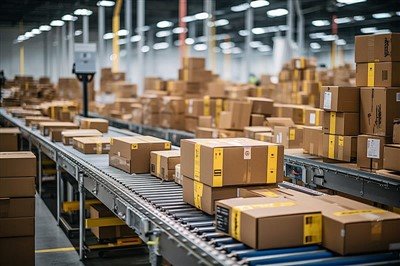
First, let’s clear up a common misconception: air express freight forwarding isn’t just faster air cargo. Regular air freight works by booking space on commercial passenger or cargo planes, consolidating multiple shipments from different clients into one unit, and delivering them to the destination airport, where you’d then coordinate your own customs clearance and final delivery. Air express is a end-to-end, door-to-door service built exclusively for time-sensitive, high-priority shipments. Unlike regular air freight, which often leaves your fate in the hands of passenger flight schedules, air express providers negotiate dedicated slots with cargo airlines, and most operate their own fleets of small aircraft or use on-demand charter services for ultra-urgent loads. We handle every step: pickup from your warehouse, documentation, customs clearance at both origin and destination, and final doorstep delivery, often with real-time tracking that lets you see your package’s exact location down to the minute.
Let’s walk through a real example to make this concrete. Last year, a client of ours was a medical device startup that developed a portable ventilator for remote disaster zones. Three weeks before a big international humanitarian aid deployment, their lead manufacturing line in Ohio broke down. They needed a custom circuit board, 120 of them, shipped to a factory in Germany in 48 hours to avoid a 10-day production delay that would have made them miss the aid window. Regular air freight would have taken 3–5 days, plus customs and ground transport, adding another 2 days at minimum. We pulled the circuit boards from the Ohio warehouse at 8 a.m. same day, processed the expedited commercial invoices and export declarations in 2 hours, booked a dedicated cargo slot on a night flight from Cleveland to Frankfurt, cleared German customs pre-arrival using our pre-certified fast-track status, and delivered the finished boards to the factory at 1:15 p.m. two days later. That’s air express in action: tailored to a specific emergency, with no gaps in the process, no missed stops, and accountability for every milestone.
So how does air express freight forwarding differ from other shipping options, and when should you use it? Let’s compare the three most common time-critical logistics solutions to make the call easier:
- Regular Air Freight: Best for shipments that take 5–7 days, lower-value goods (like bulk non-perishable parts), and when speed is important but not make-or-break. It’s more affordable than air express, but less flexible, less transparent, and doesn’t cover door-to-door delivery as standard.
- Chartered Air Cargo: This is when you rent an entire plane for your shipment. It’s ideal for very large, oversize cargo (like industrial machinery) that won’t fit on regular passenger planes, but it’s extremely expensive and only worth it for ultra-large loads. It also doesn’t include ground handling or final delivery, so you’ll need a separate partner for that.
- Air Express Freight Forwarding: The sweet spot for shipments that need to arrive in 1–4 days, high-value goods (electronics, luxury goods, medical supplies), perishables (fresh produce, floral products, vaccines), e-commerce orders that require fast last-mile delivery, and any shipment where a delay would result in direct financial loss or reputational damage.
For small and medium-sized businesses (SMBs), air express is often the only viable option for competing with big retailers’ fast shipping promises. If you’re a small boutique selling handcrafted wedding dresses to international customers, offering 2-day air express shipping can set you apart from competitors who only offer 10-day ocean transit. For manufacturers, air express is a core part of just-in-time inventory: keeping small, high-value parts on hand via express shipping means you don’t need to store thousands of dollars’ worth of inventory in a warehouse, reducing overhead and waste.
Now, let’s talk about the behind-the-scenes work that makes air express reliable—because it’s not just about booking a plane. As an air freight air express provider, our team works 24/7 to manage every variable that can delay a shipment. First, we have dedicated account managers for each client who understand their specific needs: a medical client needs temperature-controlled cargo holds and pre-cleared customs, an e-commerce client needs tracking updates that they can share directly with their customers, a tech client needs secure handling of sensitive semiconductor parts.
Next, documentation is a huge part of air express success. Every shipment requires a commercial invoice, packing list, export declaration, and in some cases, certificates of origin, sanitary/phytosanitary certificates for perishables, or special permits for hazardous goods (like lithium batteries, which are common in electronics). Mistakes on paperwork can lead to customs holds that add days or even weeks to a delivery, so our in-house customs specialists pre-verify every document before the shipment leaves the origin country, and coordinate with destination customs to get pre-approval so the package is waiting to be released as soon as it lands.
Tracking is another key differentiator for air express. Unlike regular air freight, where you might only get two updates (departure from origin airport, arrival at destination airport), air express providers offer end-to-end GPS tracking. We can tell you exactly when our driver is picking up your shipment, when it’s loaded onto the plane, when it clears customs, and when it’s out for final delivery. For clients shipping high-value items, this level of transparency reduces anxiety and lets them update their own customers or stakeholders in real time.
I get asked all the time: “How much does air express cost?” The short answer is: it depends, but it’s not as expensive as you might think—especially when you factor in the cost of a delay. A few years ago, we had a client in the automotive industry who missed a production deadline by 3 days because they chose regular air freight instead of express. The delay cost them $120,000 in lost production revenue, plus penalties for missing a contract with their client. The air express shipping would have cost $8,500, a fraction of the loss. That’s the value of air express: it’s an investment in avoiding risk, not just a shipping cost.
Of course, air express isn’t the right solution for every shipment. If you’re sending a pallet of 1,000 basic t-shirts that can wait a week, ocean or even regular air freight is a better, more affordable choice. But if you’re shipping a single critical part for a factory that can’t shut down, a batch of COVID vaccines that need to arrive before an outbreak, or a last-minute gift for a family member across the world, air express is the only option that gets your package there on time, every time.
In the 18 years I’ve been in this business, the biggest change I’ve seen is the growth of e-commerce, which has turned air express from a niche service for emergency shipments into a standard part of cross-border retail. Small sellers on platforms like Etsy, Shopify, and Amazon now rely on air express to offer 2-day international shipping, which was unheard of 15 years ago. We’ve had clients go from selling 5 orders a month to 500, just because they added air express shipping as an option. That’s the power of this industry: not just moving packages, but enabling businesses to grow and serve their customers better.

Another shift has been in sustainability. For a long time, air express had a reputation for being environmentally unfriendly, because planes emit more carbon per kilogram of cargo than ocean ships. But in recent years, we’ve made big investments in sustainable practices: switching to fuel-efficient cargo planes, using direct flights to reduce takeoff and landing emissions, and partnering with carriers that offer carbon-offset programs. We also work with clients to consolidate smaller shipments when possible, so we’re not wasting space on half-empty planes. For perishable goods, air express is actually more sustainable than ocean transit: fresh produce can’t be shipped by ocean, which means it would go to waste, resulting in higher emissions and food insecurity. So when it comes to time-sensitive cargo, air express is often the greener choice, even compared to ocean shipping.
Railway Railroad Trucking If you’re a business owner who’s tired of missing deadlines, losing customers to slower shipping, or dealing with the stress of unclear logistics, air express freight forwarding is worth exploring. Whether you’re a small e-commerce seller looking to offer fast international shipping, a manufacturer relying on just-in-time parts, or a medical team moving critical supplies, the right air express provider can make all the difference. We’re here to help you find the right solution for your specific needs, no matter how urgent or unique your shipment is. Reach out to our team to discuss your logistics requirements and see how we can support your business.
References
- International Air Transport Association (IATA). "Air Express Freight: Market Trends and Service Standards." 2023.
- Global Express Association (GEA). "End-to-End Logistics Solutions for Time-Sensitive Shipments." 2022.
- U.S. Bureau of Transportation Statistics. "Comparison of Air Freight, Air Express, and Ocean Shipping Costs and Transit Times." 2023.
- World Health Organization (WHO). "Logistics Guidelines for Emergency Medical Supplies: Time-Sensitive Transport." 2021.
- International Civil Aviation Organization (ICAO). "Sustainable Air Cargo Practices for Express Forwarding Providers." 2024.
Foshan Shijie International Logistics Co., Ltd.
With abundant experience, we are one of the most professional air freight air express service suppliers in China. We are committed to offering reliable air freight air express service and logistics solutions with low price. If you have any enquiry about quote, please feel free to email us.
Address: Room 701A, Office Building, Jinbo Commercial Center, No.88, Guiye Road, Guicheng Street, Nanhai District, Foshan City, Guangdong Province
E-mail: alicesmith.tradingbusiness@gmail.com
WebSite: https://www.fsshijielogistics.com/
