If you’ve ever walked into a hardware store for a quick plumbing part, you’ve probably spotted black pipe nipples right next to brass fittings and PVC lengths. As a third-generation pipe nipples supplier, I hear the same question at least a dozen times a week from plumbers, DIY homeowners, and property managers: “Can I use black pipe nipples for potable water?” It’s a fair question—black pipe is cheap, easy to cut and thread, and looks sturdy enough for just about any project. But when we’re talking about water that will come out of a tap to drink, cook with, or fill a pet’s bowl, the answer isn’t as simple as a yes or no. Let’s break down the science, the code, and the pitfalls of cutting corners with black pipe for potable water, straight from the supplier floor where I field these calls every day. Pipe Nipples
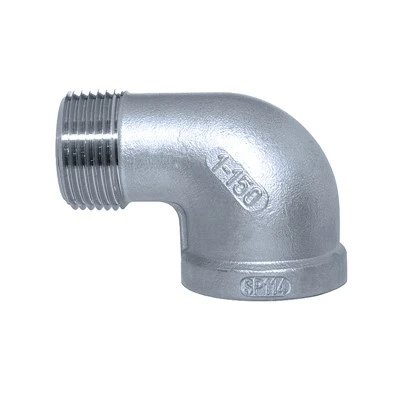
First, let’s clarify what black pipe nipples actually are. Black pipe gets its name from the dark, rough surface it has, a result of the manufacturing process that leaves a thin layer of iron oxide (rust) on the exterior and interior of the pipe. It’s made from mild steel, which is strong and resistant to warping under pressure, making it popular for gas lines, irrigation systems, and non-potable plumbing like outdoor sprinklers that don’t feed into a building’s drinking water supply. That strength and low cost make it tempting to reach for when you’re faced with a last-minute plumbing repair, but there are critical differences between black pipe and the materials that are approved for potable water.
The biggest red flag here is corrosion. Mild steel, the base material of black pipe, is not designed to be in prolonged contact with water—especially potable water, which often has traces of chlorine, minerals like calcium and magnesium, or even small amounts of acidity from treatment. Over time, that chlorine and those minerals react with the iron in the steel, causing the rust layer on the interior of the pipe to flake off. Those rust particles don’t just make your water look murky or taste metallic—they can clog fixtures like showerheads, faucet aerators, and water heaters over time. Worse, if the rust penetrates all the way through the pipe wall, you’re looking at leaks and, eventually, pipe failure, which can lead to water damage in walls or under floors. I’ve seen this play out firsthand with a customer a few years back who used black pipe nipples to run a line to his kitchen sink. Within 18 months, the interior of the pipe had corroded so badly that he had to rip out the entire line and replace it—with potable-rated parts. He saved $10 on the initial parts but spent $2,000 on repairs and cleanup. That’s a mistake no one wants to make.
Another major issue is lead and other heavy metal leaching. Many people don’t realize that black pipe nipples, especially older or cheaper models, may have lead in their material or in the thread sealants used when assembling fittings. The Safe Drinking Water Act (SDWA) in the U.S. sets strict limits on lead content in materials that come into contact with potable water—maximum 0.25% lead for plumbing parts. Black pipe, being mild steel, typically has a higher lead content than brass or copper parts that are specifically rated for potable use. Over time, even small amounts of lead can leach into your drinking water, especially if the water sits in the pipes for long periods (like overnight). For households with young children, pregnant people, or anyone with compromised health, this is not a risk worth taking. I always tell our customers: if it touches drinking water, don’t cut corners on materials to save a few cents.
But wait—isn’t there a way to make black pipe safe for potable water? I’ve had customers ask about coating the interior of black pipe nipples to stop rust and leaching. There are epoxy coatings made for potable water lines, right? While that’s a possible workaround in some limited cases, it’s not a silver bullet, and it comes with its own set of caveats. First, the coating has to be applied correctly—any gaps, chips, or bubbles in the coating can leave areas of the steel exposed, where corrosion will start. If the coating is applied at our factory, that’s consistent and reliable, but if you’re doing it yourself at home, it’s easy to mess up the application, especially on the interior threads of a nipple, where the coating can thin out or peel when you thread it into a fitting. Second, even factory-coated black pipe nipples aren’t universally approved. Most plumbing codes still require materials to be listed and tested for potable water use, and many code inspectors won’t sign off on coated black pipe because of the risk of coating failure. We supply coated black pipe for non-potable uses like industrial lines and fire sprinkler systems, but we never recommend it for drinking water lines.
Now, let’s talk about plumbing codes, because this isn’t just a personal preference—it’s a legal requirement in most places. The International Plumbing Code (IPC), which is adopted in 49 U.S. states, and similar codes around the world specify materials for potable water systems. The approved materials include copper, brass, PEX, CPVC, and type L or type K black iron pipe that is galvanized. Wait, galvanized—what’s that? Galvanized pipe is coated with a layer of zinc, which acts as a barrier between the steel and the water. Galvanized black pipe nipples are sometimes called “black galvanized,” and they are the only form of steel pipe that is generally approved for potable water use. But even galvanized has a limit: zinc can leach into water over time, especially in soft water areas, and galvanized pipe only has a lifespan of about 40-50 years, compared to 50+ years for copper or brass. Also, galvanized pipe is not the same as uncoated black pipe—if someone tries to pass off uncoated black pipe as galvanized, that’s a code violation and a health risk.
I know what you’re thinking: “But black pipe is cheaper than galvanized, and I can get it at the same store.” That’s true, and the price difference is real. As a pipe nipples supplier, I work hard to keep our prices competitive, and I understand that every project has a budget. But when it comes to potable water, the long-term cost of replacing failed lines and fixing water damage is almost always higher than the initial cost of using the right material. A 5-inch black pipe nipple might cost $1.50, while a galvanized 5-inch nipple is $2.20—less than a dollar difference. That’s not a huge amount per part, but if you’re buying 20 nipples for a whole house repipe, that’s a $14 difference. The alternative is dealing with rusty water, clogs, or lead leaching, which could end up costing you thousands of dollars.
I also hear from DIYers who want to use black pipe nipples for decorative purposes, like building a coffee table or a shelf that holds water glasses. Let’s be clear: even if it’s just a decorative piece, if the pipe is holding water that will touch food or drink, it’s still considered a contact surface and should be rated for potable water. I had a customer last year who built a kitchen island out of black pipe and had a row of glass holders made from pipe nipples. She told me she was just putting empty glasses there, but when I explained that the rust and lead from the pipe could transfer to the glass, she switched to brass galvanized nipples for the holders. It’s a small change, but it’s the right one.
So, what should you use instead of black pipe nipples for potable water? The short answer is: use material that is specifically labeled as potable water rated. For most residential projects, that means type L copper pipe with brass nipples and fittings, or PEX tubing with brass crimp rings. For larger commercial projects, galvanized steel pipe that is listed for potable use is acceptable in some cases, but copper or brass is still more reliable. If you’re working on a project and you’re not sure what material to use, the best person to ask is your local plumbing inspector. They know the code requirements in your area, and they can tell you exactly what is allowed for potable water lines.
As a pipe nipples supplier, I’ve seen too many mistakes with black pipe for potable water. I want our customers to get the job done right the first time, not have to come back to buy parts again because of a leak or rusty water. We stock a full line of potable-rated pipe nipples and fittings, including galvanized steel, brass, and copper, all tested and approved for use with drinking water. We don’t sell black pipe nipples for potable water applications, and we will always tell you the truth if you ask if black pipe is suitable for drinking water—even if that means you buy from a competitor’s potable parts. At the end of the day, my job isn’t just to sell parts—it’s to make sure our customers’ plumbing systems are safe and reliable, and that starts with using the right materials.
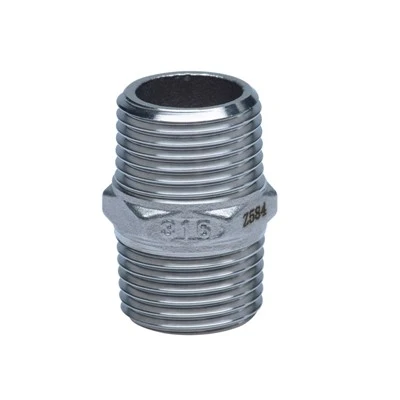
If you’re working on a plumbing project and you need pipe nipples that are safe for potable water, or if you have questions about material specifications, code requirements, or product availability, don’t hesitate to reach out to our team. We have years of experience in the plumbing industry, and we’re happy to help you choose the right parts for your job, no matter how big or small.
Castings References
- International Plumbing Code (IPC), Chapter 6: Plumbing Materials, 2021 Edition
- U.S. Environmental Protection Agency (EPA), Lead and Copper Rule, 40 CFR Part 141
- World Health Organization (WHO), Guidelines for Drinking-water Quality, 4th Edition
- American Society of Mechanical Engineers (ASME), B31.9: Building Services Piping, 2022 Edition
United Brothers Metal Products Co., Ltd.
United Brothers Metal Products Co., Ltd. is one of the most professional pipe nipples manufacturers and suppliers in Vietnam. We are committed to providing high quality customized products with competitive price. Please feel free to buy bulk durable pipe nipples in stock here from our factory. Also, pricelist is available.
Address: Lot 61c2, 99a, 99b Long Giang Industrial Park, Tan Phuoc 3 Commune, Dong Thap Province, Vietnam
E-mail: sales@ubfittings.com
WebSite: https://www.ubvalves.com/
