If you’ve spent any time walking through commercial greenhouses, urban farm rows, or backyard vegetable patches over the past few years, you’ve probably noticed something shift: fewer open soil beds, more rows of black or white plastic bags stuffed with growing medium, and crops looking lusher, more consistent, and easier to manage than ever before. As someone who’s spent the last decade supplying poly bag systems to small-scale and large-scale farmers across North America, I’ve watched this method move from a niche trick used by commercial flower growers to a mainstream solution for anyone looking to grow food efficiently. I get asked all the time: what makes poly bag agriculture better than traditional soil-based farming? It’s not just a new trend—it’s a science-backed approach that solves so many of the headaches farmers and even home growers have dealt with for generations. Let’s break down the real advantages, the kind I’ve seen day in and day out working with growers who swear by this method. Poly Bag Agriculture
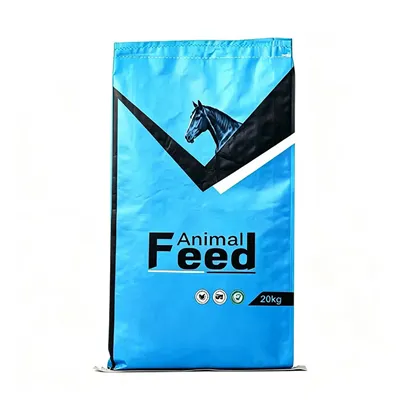
First, there’s control over growing conditions, and that’s the biggest difference between poly bag agriculture and soil farming. With soil, you’re at the mercy of whatever’s already in the ground: its pH level, nutrient content, compaction, and even the bacteria or fungi that live there. If your soil is too acidic for tomatoes, you can spend months amending it with lime, and even then, results vary from spot to spot across your field. Poly bags eliminate that guesswork. When you fill each bag with a tailored growing medium—like a mix of peat moss, perlite, coco coir, and controlled-release fertilizer—you’re building a uniform environment every single time. Every bag has the exact same pH, nutrient balance, and drainage, so every plant grows evenly. For commercial growers, that consistency means harvests are uniform too: all your tomatoes ripen at the same time, all your lettuce heads are the same size, which makes packing, shipping, and selling way easier. I had a customer last year who runs a 5-acre leafy greens farm; before switching to poly bags, he’d have to cull 15% of his harvest because of uneven growth. Now, that number is down to less than 3%, which added up to an extra $12,000 in his first year alone. That’s not a small win for a small business.
Control also extends to water usage, and that’s a huge deal as water scarcity becomes a bigger problem for farms everywhere. Traditional soil farming often leads to a lot of water waste: rain can run off before it soaks into the ground, or you might overwater and drown roots, letting water seep past the root zone. Poly bags, on the other hand, are self-contained, so every drop of water you add stays right where it’s needed—around the plant’s roots. Most of the systems we supply are set up with drip irrigation lines that run straight into each bag, so there’s no overspray and almost no evaporation. A study from the University of California, Davis, found that poly bag-grown crops use 30 to 50% less water than soil-grown crops, depending on the plant type. For a farm in a drought-prone area like Arizona or parts of Texas, that’s not just a cost saver—it’s often the difference between being able to keep farming or having to scale back. I work with a family farm in southern California that grows bell peppers; they used to pay $80,000 a year for water. After switching to poly bags and adding a soil moisture sensor to their drip system, that bill dropped to $45,000. They used that extra money to hire two more seasonal workers and expand their crop line. That’s real impact.
Then there’s the issue of soil health and disease management, which is one of the most underrated advantages of poly bag agriculture. Soil can build up pests and pathogens over time: if you grow tomatoes in the same spot year after year, the soil can get infested with fusarium wilt or nematodes, which ruin entire crops. Crop rotation helps, but it’s not perfect, and it means you have to leave fields fallow sometimes, which cuts into your income. With poly bags, every growing season is a fresh start. You simply dispose of the old growing medium (or compost it, if it’s pathogen-free) and refill the bags with new, clean medium. No more pest carryover, no more hidden diseases hiding in the soil. We even sell a line of UV-stabilized poly bags that can be sanitized and reused for up to three seasons, so you’re not just throwing them away after one use. I had a customer who grows strawberries—one of the most high-maintenance crops when it comes to soil disease. Before poly bags, she lost 40% of her strawberry plants every season to root rot. Now, that loss is almost zero, and her yield has gone up 25% because the roots are healthier and not fighting disease. That’s a game-changer for high-value crops that rely on healthy roots.
Space efficiency is another big one, especially for urban farmers or anyone with limited land. Traditional soil farms need to leave paths between rows for tractors, workers, and irrigation equipment—usually 2 to 3 feet between beds. Poly bags can be spaced way closer together, because you don’t need those wide paths. You can arrange them in tight rows, even stack them on pallets or vertical shelves if you’re growing indoors or in a greenhouse. For example, a 100-square-foot area with soil beds might grow 10 tomato plants. That same space with poly bags, arranged tightly and with a small drip line run between rows, can grow 18 tomato plants—almost double the yield. Urban farms in cities like Detroit or Toronto, where land is expensive, love this because they can grow more food in a smaller space, bringing in more revenue from the same plot. I also work with schools that do small urban gardens; using poly bags lets them grow more vegetables on a narrow patch of schoolyard, so more students can participate and learn about farming.
Harvest and labor efficiency is another advantage that makes a huge difference for growers. When your crops are in poly bags, you can arrange them at a height that’s comfortable for workers, so they don’t have to bend over for hours to pick vegetables. That cuts down on worker fatigue, which means they can work longer and make fewer mistakes. Also, because the plants grow uniformly, harvests go faster—you’re not searching for the few ripe tomatoes hidden in a messy soil bed. For a large farm, that labor savings adds up quickly. A customer in Florida who grows cucumbers told me that after switching to poly bags, his harvest time per acre went from 12 hours a week to 7 hours a week, just because workers could move through the rows faster and more comfortably. That’s less overtime pay, fewer injuries, and higher productivity.
Wait, I know what some people might be thinking: what about the cost of the bags and growing medium upfront? It’s true that starting a poly bag system requires an initial investment in bags, medium, and irrigation lines. But over time, those costs offset themselves. You don’t have to spend money on soil amendments every year, you save on water and labor, and your yield is higher. A 2022 report from the Food and Agriculture Organization (FAO) found that poly bag farming has a 20% lower long-term operating cost per pound of crop compared to traditional soil farming, even with the initial setup. For small-scale growers, we also offer flexible financing options and starter kits that make it easy to get set up without a huge upfront hit. I’ve helped dozens of small growers take the leap, and almost all of them say they’re glad they did within their first growing season.
I’ve also seen poly bag agriculture work for all kinds of crops, not just the ones I’ve mentioned. We supply bags for leafy greens, tomatoes, peppers, strawberries, herbs, even root vegetables like carrots and potatoes. It’s versatile enough for commercial farms, small urban operations, and even home gardeners who want to grow more food in a small backyard. And as someone who’s been in this business for years, I can tell you that the biggest benefit I see is the ability to grow food more sustainably. With less water waste, less soil erosion (since you’re not tilling large fields every year), and fewer crop losses to disease, poly bag agriculture is a way to feed more people without putting more strain on the planet.
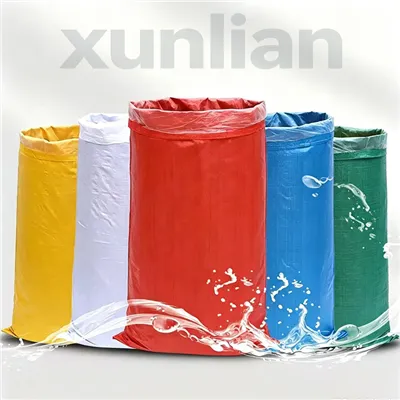
If you’re a grower—whether you’re running a small urban farm or a large commercial operation—and you’re curious about how poly bag agriculture could work for you, I’d love to help you figure out the right system. We work with every type of farm, from beginners just starting out to established businesses looking to scale. There’s no one-size-fits-all, but we can tailor a solution that fits your crop, your space, and your budget. Reach out to us to discuss your specific needs and get a custom quote—let’s talk about how poly bag agriculture can help you grow more, save more, and work more efficiently.
BOPP Woven Bags References
- Food and Agriculture Organization of the United Nations. (2022). Small-Scale Plastic Bag Agriculture: Economic and Environmental Benefits for Global Growers. Rome, Italy: FAO Publications.
- University of California, Davis, Department of Land, Air, and Water Resources. (2021). Water Use Efficiency in Container and Poly Bag-Based Horticultural Systems. Davis, CA: UC Davis Extension.
- National Agricultural Statistics Service. (2023). Crop Yield and Labor Cost Comparisons Between Soil and Poly Bag Farming in Western U.S. Commercial Operations. Washington, D.C.: U.S. Department of Agriculture.
Liaoning Xunlian Packaging Products Co., Ltd.
Liaoning Xunlian Packaging Products Co., Ltd. is one of the most professional poly bag agriculture manufacturers and suppliers in China, featured by quality products and good service. Welcome to wholesale CE approved poly bag agriculture made in China here and get quotation from our factory. Customized orders are welcome.
Address: Chaoyang Industrial Park, Kangping, Shenyang, Liaoning, China.
E-mail: info@xunlianpack.com
WebSite: https://www.xunlianpack.com/
