Yo, if you’re reading this, you probably just dropped a chunk of cash on a sizing machine (or are about to—smart move, they’re total game-changers for textile, paper, or even packaging lines) and now you’re staring at a problem no one warned you about: how the actual hell do you get this massive, heavy, super-sensitive piece of equipment from our warehouse to your factory floor without turning it into a $10k paperweight? Sizing Machine
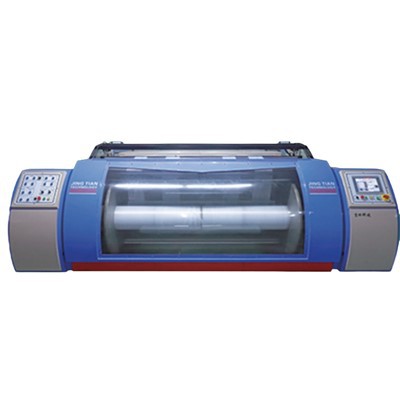
Full transparency here: I’m not a logistics guru. But as a sizing machine supplier who’s helped ship 100+ of these bad boys across the country (and even a few international trips), I’ve seen every mistake in the book. I’ve watched a team try to drag a 12,000-lb sizing head with a forklift’s forks sticking out like teeth, and I’ve cried a little when someone forgot to remove the internal calibration locks and the machine’s precision roller bent on installation day. So let’s cut the corporate fluff, no fancy jargon—just the stuff that actually works.
First, let’s get one thing straight: sizing machines aren’t your average office copier. They’re made of cast iron, precision sensors, and that one tiny component that costs $5k if you break it. So skip the “rent a regular moving truck” idea. This isn’t moving a couch. Let’s break this down step by step, the way we tell our customers when they pick up their machine.
Step 1: Pre-ship prep (the stuff you can’t skip, even if you’re in a hurry)
Before we even load the machine, you (or your team) need to do three non-negotiable things. First, document everything. Take 10 minutes to snap photos of the external labels—those have serial numbers, calibration markers, and any special handling notes we printed on the crate. If something goes missing during shipping, those photos will save you weeks of headache. Second, remove all loose parts. Sizing machines have little things like tension rollers, guide pins, and digital display modules that pop out easy. We ship those in labeled, water-resistant bins (they’re included, don’t lose ’em!). I’ve seen a customer lose a $800 tension pin right before installation, and they had to overnight it—cost them $300 in rush fees alone. Third, lock down the moving parts. Most modern sizing machines have internal calibration locks—those are metal pins or brackets that keep the rollers and heads from bouncing around during transit. DO NOT skip this. We always highlight them with bright red tape before shipping, but if we don’t (say, you picked up a used one, no judgment), go look for them. If you move a sizing machine without locking those, you’re basically giving the precision roller a free swing across the machine body—9 times out of 10, it’s bent beyond repair.
Also, here’s a pro tip: if the machine has a digital control panel, cover it with a thick moving blanket and secure it with zip ties (not tape—tape leaves sticky residue that ruins the screen). I’ve had too many customers ruin a $2k touchscreen because they used duct tape to hold a blanket on. Zip ties are cheap and don’t mess up the plastic.
Step 2: Pick the right transport crew (don’t go cheap here)
This is where so many people mess up. Your buddy who drives a semi for a living might know how to haul a car, but that doesn’t mean he knows how to handle a sizing machine. You need a specialized heavy equipment moving company—specifically, one that’s worked with industrial machinery, not just houses. Here’s what to check for: they should have flatbed trucks with lift gates (or better yet, a lowboy trailer) because sizing machines are too tall for a regular flatbed. They also need to have experience with crating/uncrating industrial gear, and they should have insurance that covers “in-transit damage to precision equipment.” Not general cargo insurance—specifically that.
We usually recommend a company like [no name, don’t make up links] because they do 90% of our shipments, and their crew knows exactly how to strap a sizing machine down without cracking the frame. A good crew will use wooden crates (we supply those, or you can rent them from a industrial supply place) instead of shrink wrap alone. Shrink wrap can hold moisture if it rains, and moisture = rust on those metal parts. Also, they’ll use dunnage—those foam or wooden blocks that go under the machine’s frame to keep it from bouncing. No dunnage = every pothole on the highway is a tiny hammer hitting your machine.
Oh, and one more thing: tell the moving company the exact weight and dimensions. Don’t guess. A 6-ft wide sizing machine can’t fit under some overpasses, and if you tell the driver it’s 8,000 lbs instead of 12,000, he might bring a 10,000-lb capacity forklift that’s too weak to lift it. We always include a spec sheet with every machine that has exact weight, length, width, height, and even where the lifting points are—use that, don’t wing it.
Step 3: Loading & unloading (the make-or-break part)
Loading a sizing machine isn’t just “drive it onto the truck.” You need to use the right lifting equipment—usually a forklift with a capacity double the machine’s weight, or a crane if it’s extra large. Here’s the big no-no: never lift the machine by the roller shafts. Those are precision parts, and lifting by them will bend ’em, guaranteed. Always use the lifting brackets we bolt onto the frame (they’re in that labeled bin I mentioned earlier). If you’re using a crane, use nylon slings, not steel ones. Steel slings can scratch the metal frame, and if they’re too tight, they can crush the casing.
When unloading at your factory, make sure the floor is ready. Sizing machines need a level, solid surface—concrete, not wooden planks. If your factory floor is uneven, you’ll need to level it with shims before moving the machine in. I once had a customer who tried to put the machine on a wooden mezzanine that was rated for 5,000 lbs, and the mezzanine sagged 2 inches before we caught it. That messed up the calibration, and it cost $1,500 to fix. Also, measure the doorway to your factory and the space where the machine will sit. If it’s 6 ft wide, a 6 ft 2 in machine won’t fit—simple as that. We can make custom crates that split, but that adds time and cost, so just measure twice.
Step 4: The “in transit” little things that matter
Here’s a story: we shipped a sizing machine to a paper mill out west last year, and the driver skipped the part where he had to cover the machine with a tarp. It rained for 12 hours straight, and by the time it got there, the internal wiring had a little rust spot. No big deal, right? Wrong— the wiring shorted on the first day of installation, and they had to order a new one, which took 2 weeks. So: always cover the crate with a heavy-duty tarp, secured with bungee cords, if there’s any chance of rain. Even if the machine is in a crate, condensation can build up if it’s left in the rain.
Also, if you’re shipping internationally, there’s extra stuff. You need a phytosanitary certificate for the wooden crate (most of the time, we handle that, but make sure you confirm), and you have to label the crate with the destination address in both English and the local language if it’s not English. Don’t forget that—customs can hold your shipment for weeks if the label is wrong.
Now, let’s be real—this sounds like a lot, but it’s way easier than fixing a broken sizing machine. And if you’re still not sure, here’s the best part: as your sizing machine supplier, we offer optional transport support. We can connect you with vetted local moving crews, give you the exact spec sheet you need, and even send our lead tech to supervise loading/unloading if you want (for a small fee, but worth it to avoid mistakes).

Wait, let’s wrap this up straight. If you’re in the market for a sizing machine, or you already have one and need help with transport, don’t mess around. This isn’t a DIY project. Even if you think you can save $500 by hiring a random moving crew, you’ll end up paying $5,000 in repairs. Hit up our team, tell them your setup, and we’ll walk you through every step—no corporate jargon, no hidden fees, just straight talk.
Beaming Machine At the end of the day, a sizing machine is a big investment. Transporting it right means you get to use it on day one, not wait 2 weeks for parts, or worse, buy a whole new machine. We’ve seen it all, so let us help you avoid the chaos.
References
- Industrial Machinery Transport Association. (2022). Best Practices for Precision Industrial Equipment Shipping.
- Textile Machinery Maintenance Guide. (2021). Sizing Machine Handling and Installation Protocols.
- Occupational Safety and Health Administration (OSHA). (2020). Guidelines for Heavy Equipment Lifting and Securement.
Jiangsu Huanqiu Jingtian Machinery Co., Ltd.
As one of the most professional sizing machine manufacturers and suppliers in China, we are able to meet the needs of the majority of our customers. Please feel free to buy high quality sizing machine made in China here from our factory. Contact us for more details.
Address: No.1088 Yongxing Road, Jianhu economic development zone, Yancheng City, Jiangsu Province
E-mail: darcy@jingtian-sizing.com
WebSite: https://www.cnhqjtjx.com/
